

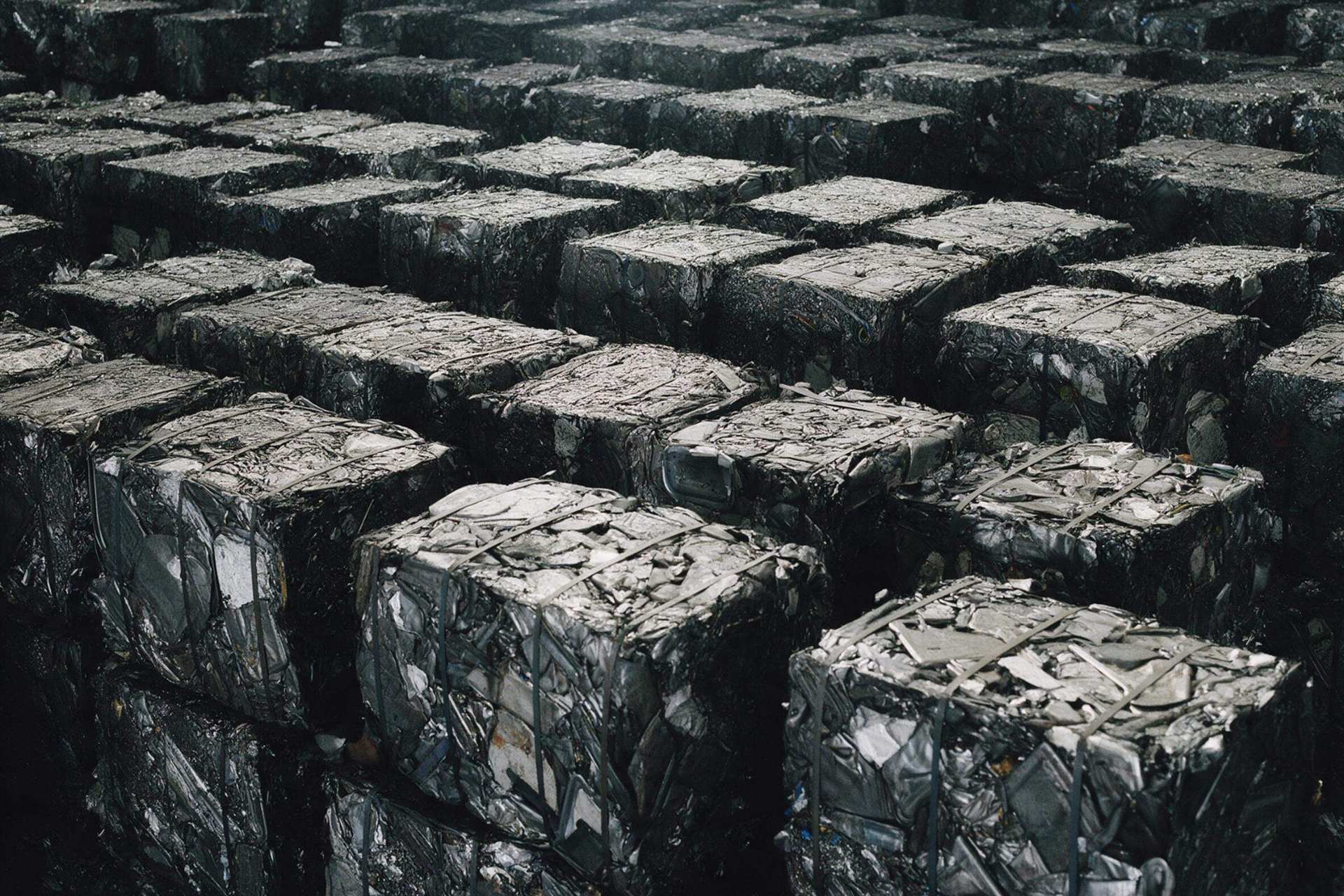
Universities, grandes écoles, high schools and training centres in Morocco accumulate tonnes of metal out of service every year: desks and chairs with metal frames, laboratory furniture, workshop machinery, kitchen and canteen equipment, decommissioned service vehicles, cables and IT equipment. A campus is a small town, with its lecture rooms, laboratories, technical workshops, boarding houses, kitchens and car parks — and every renovation, every new school year, every equipment decommissioning releases scrap metal. For an educational institution, organising this recovery well means freeing up space, funding part of the equipment renewal and setting an example in circular economy. This guide explains where scrap metal from an educational institution comes from, how to sort metal furniture, what happens to laboratories and technical workshops, and how to prepare a lot — public or private — before collection.
First point to understand: scrap metal from an educational institution is not managed like scrap from a factory. It is scattered across dozens of rooms, it belongs to different departments — registrar, laboratories, workshops, bursar, transport — and its sale follows different rules depending on the status of the institution: a public institution sells by tender, a private institution decides internally. In both cases, everything starts with an inventory: without an inventory, no sorting, and without sorting, no recovery. Our article on scrap metal buyback step by step describes the process from the collector's side; this one describes it from the educational institution's side.
Where does scrap metal from an educational institution come from?
The first source, the most visible, is furniture: desks and chairs with metal frames in classrooms, teachers' desks, library cabinets and shelving, beds and furniture in boarding houses, tiered seating and furniture in lecture halls. Then come the laboratories: stainless steel worktops, fume hoods, tanks, copper pipework, chemical storage cabinets, metal shelving. The technical workshops of engineering schools and vocational training centres produce another type of scrap: machine tools out of service, lathes, milling machines, welding stations, machining offcuts and metal swarf — our article on machining offcuts details these materials.
Kitchens and canteens add their share: stainless steel equipment, cold rooms, refrigeration units and tanks — our article on scrap metal from cold storage warehouses and the cold chain describes this equipment. The buildings themselves produce scrap during renovations: boilers and air-conditioning units replaced, lifts removed — our article on scrap metal from lifts and lifting equipment details this equipment —, pipework and electrical cables. Finally, the vehicles: school transport buses, vans and service vehicles decommissioned after years of use. An inventory by building and by department shows the whole stock before deciding on the sale.
Metal school furniture: reuse before recycling
A steel school desk is not necessarily scrap: if its frame is sound, it can be refurbished and reused. In Morocco, workshops have specialised in renovating and recycling second-hand school desks, for schools that cannot afford new equipment: the desk is dismantled, the metal frame is straightened and repainted, the top is replaced, and it starts a second life in another school. Reuse is always better than remelting, for the environment as well as for the institution's budget. Before declaring a batch of furniture as scrap, it must therefore be sorted into two categories: what can be repaired and reused, and what is truly out of service.
What goes to scrap is then sorted by metal: the magnet test separates steel — the vast majority of desk, chair and cabinet frames — from the aluminium of profiles and frames, and from the stainless steel of some laboratory and kitchen furniture. The wood of the tops, the plastic of the seats and the foams are removed before weighing: a clean lot, sorted by metal, recovers better than a mixed pile. Large quantities — renovation of a whole building, closure of an annex, renewal of a faculty's furniture — justify a grouped collection, organised during the school holidays so as not to disturb classes. For the sorting method, read our article on sorting metals in a company.
Laboratories and technical workshops: stainless steel, copper and machines
Chemistry, biology and physics laboratories concentrate quality metals: stainless steel worktops and tanks, copper pipework, steel fume hoods, metal storage cabinets. Technical workshops add machines: lathes, milling machines, drills, welding stations, compressors and electric motors — our article on recovering used electric motors covers these copper-rich motors. Dismantling a workshop machine follows the same order as dismantling an industrial machine: draining oils, removing cables and motors, separating metals — our article on dismantling industrial machines in Morocco describes this dismantling.
The world of education and the world of metal recycling know each other well in Morocco: in Meknes, the ENSAM engineering school worked with a recycling company to structure scrap collection and train collectors in sorting and handling techniques, as part of a project supported by international cooperation. Engineering schools also train the future managers of recycling: their materials engineering programmes teach metal processing and recovery. One point of caution for laboratories: hazardous waste — chemicals, contaminated glassware, reagents — is never mixed with scrap metal and goes to its own specialised channel. For the regulatory framework, read our article on the legal obligations for metal waste in Morocco.
Vehicles, canteens and campus buildings
A decommissioned school bus is not just a pile of metal: it is a complete vehicle, with an engine, a gearbox, cables, batteries and fluids. Before any cutting, it must be depolluted: draining oils and coolant, removing batteries — which go to their own channel, as explained in our article on recycling used batteries in Morocco —, removing tyres and air-conditioning fluids. Then dismantling: parts still in good condition can be recovered for reuse before the body goes to scrap. For transport vehicles, our article on scrap metal from road transport and heavy goods vehicles describes this dismantling.
Canteens and central kitchens produce stainless steel in quantity: worktops, tanks, cold rooms, refrigeration units, hoods. Campus buildings, during renovations, release boilers, air-conditioning units, electrical cables and control cabinets. IT equipment in classrooms and offices — desktop units, screens, printers — is WEEE and is treated separately: our article on WEEE in companies in Morocco explains how to recover it, and our article on scrap metal from public administrations and local authorities describes the sale procedure for public institutions, which also applies to public universities and schools.
Preparing a lot: inventory, sorting and procedure
Preparing a scrap lot for an educational institution starts with the inventory: nature of the metals, approximate volumes, condition of the items, photos of the stock, address and access to the campus, building by building. This inventory is used to decide on the sale and, for a public institution, to draft the tender notice. Sorting by metal comes next: one pile for steel, one for aluminium, one for copper, one for stainless steel — each family labelled, as in company sorting. Hazardous items are removed before collection: batteries, fluids, chemicals, live equipment.
On procedure, the difference between public and private is clear. A public institution — university, public school, public training centre — sells its scrap by tender, with a published notice, a book of special conditions, a site visit and an opening of bids. A private institution decides internally: a decision to decommission the equipment, an inventory of the lot, a weighing slip at collection. In both cases, traceability is the same: every lot sold must be traceable from inventory to weighing, then to the foundry. On timing, school holidays and inter-term breaks are the best windows for collections: a calmer campus, empty rooms, easy access for trucks.
What happens to campus scrap metal?
After the sale, scrap metal from an educational institution follows the same channel as any scrap: it goes to a sorting centre, where it is identified, separated by metal, cut and compacted, then to the foundry, where it is remelted into new raw material. Sorted steel becomes profiles or sheets, remelted copper becomes ingots or cables, sorted aluminium becomes alloy ingots. Our article on scrap metal from sorting centres and recycling facilities describes this sorting stage.
For the institution, selling its scrap is both revenue and a circular economy gesture: recycled metal replaces virgin ore in production, and the stock that cluttered the premises frees up space for classrooms and workshops. It is also a strong educational message: a campus that sorts and recovers its metals shows its students how the circular economy works, which is at the heart of Morocco's national sustainable development strategy. MOUMETAL works throughout Morocco with universities, schools and training centres: first contact by phone or WhatsApp, site visit to inventory the lots, sorting with the bursar's teams, weighing and documentation of flows, collection by truck at agreed times, during holidays if needed. To organise an inventory, contact us: +212 660 690 806 — contact@moumetal.com. And to place the sale in the wider recycling picture, read our page scrap collection and removal and our article on metal sorting.
FAQ — Scrap metal from universities and educational institutions
How does a university sell its scrap metal in Morocco? A public institution sells by tender: publication of a notice, book of special conditions, lots split by metal, site visit by candidates, then opening of bids and award. A private institution decides internally, with a decision to decommission the equipment, an inventory of the lot and a weighing slip at collection.
What should be done with old metal school desks and chairs? Reuse first: desks whose frames are sound can be refurbished and reused by other schools. What is truly out of service is sorted by metal — steel, aluminium, stainless steel — after removing wood and plastic, then goes in a grouped collection, preferably during the school holidays.
Who buys decommissioned equipment from an educational institution? Metal collection and recycling companies, whose trade register entry mentions scrap dealing or ferrous and non-ferrous waste processing. MOUMETAL works throughout Morocco with universities, schools and training centres, with on-site inventory and full traceability.
Do laboratories produce scrap metal? Yes: stainless steel worktops and tanks, copper pipework, steel hoods, workshop machines and electric motors. Hazardous laboratory waste — chemicals, contaminated glassware — is never mixed with scrap metal and goes to a specialised channel.
When should a campus scrap collection be organised? During school holidays or inter-term breaks, when rooms are empty and truck access is easy. Collection is prepared in advance: inventory by building, sorting by metal, removal of hazardous items and coordination with the bursar.
Have your institution's scrap metal recovered by MOUMETAL
Metal furniture, laboratories, technical workshops, canteens or decommissioned vehicles: MOUMETAL buys and collects scrap metal from universities and educational institutions in Morocco, with on-site inventory, sorting by metal and full traceability. To learn more, read our page scrap metal purchase and our article on scrap metal from public administrations and local authorities. Contact us: +212 660 690 806 — contact@moumetal.com.