
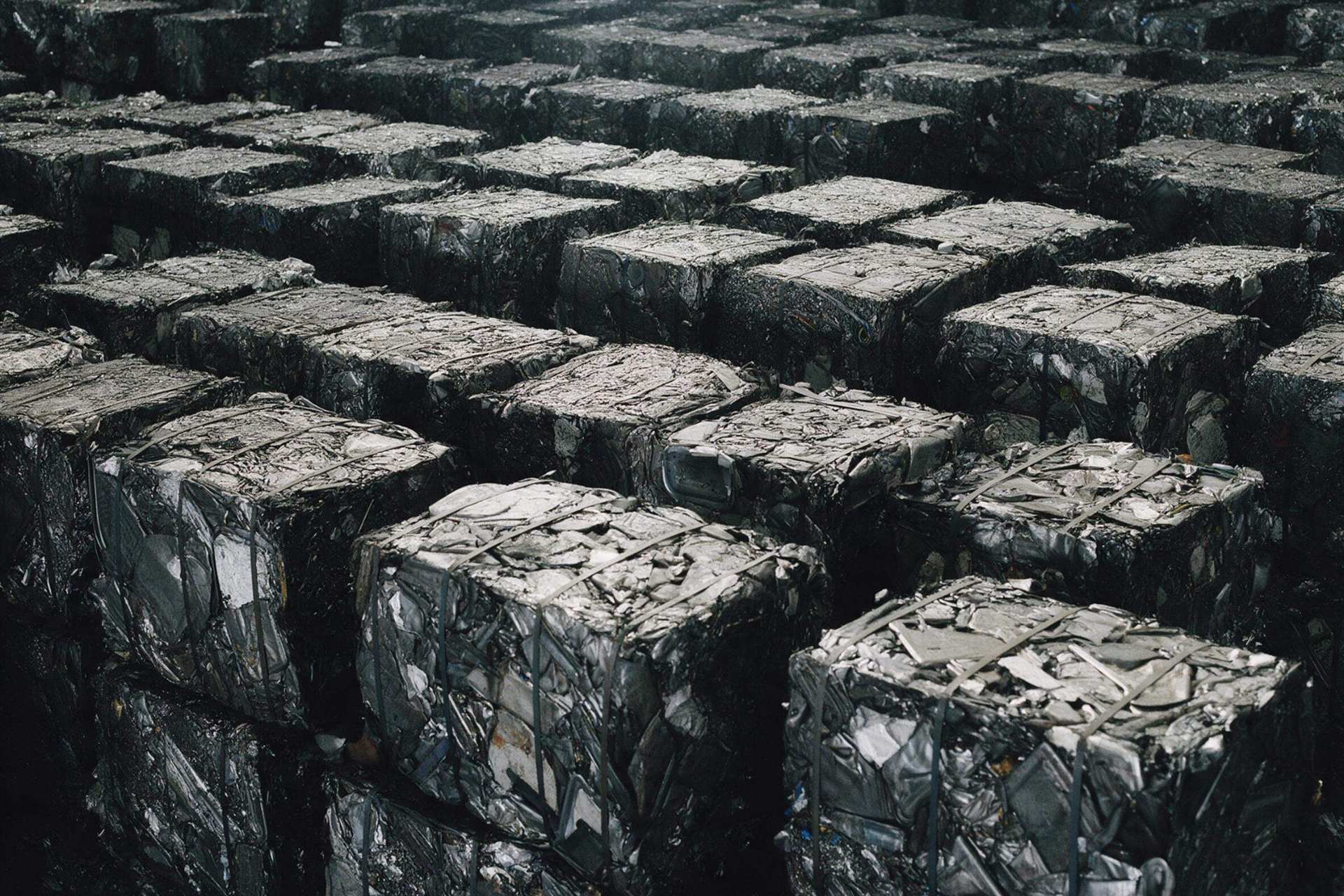
A thermal power plant is, first of all, a huge machine made of metal: boilers several storeys high, turbines weighing dozens of tonnes, kilometres of piping, alternators wound with copper and steel frameworks holding it all together. When a unit stops — for modernisation, replacement or end of life — that metal stock must not end in indiscriminate demolition. Sorted and dismantled selectively, it becomes a valuable raw material again, in a circular-economy logic that benefits the operator as much as the environment.
In Morocco, electricity production still relies largely on thermal power plants, alongside hydropower, wind and solar. Production sites, their maintenance workshops and spare-parts stores continuously generate metal flows: equipment removed during overhauls, replaced pipe sections, spare structures, cables and motors. Knowing how to identify, sort and recover these flows turns a disposal cost into a resource. This guide details the metals involved, the stages of a clean dismantling job and how MOUMETAL works on these demanding sites.
Which metals are recovered from a thermal power plant?
The first wealth of a plant is steel: frameworks, walkways, pipe supports, boiler structures, tanks and vessels. It is the largest flow by volume, and it recycles fully without any loss of quality. Then come the non-ferrous metals, smaller in volume but far more valuable per kilo. Copper leads this category: alternator and motor windings, power cables, busbars, heat exchangers. Stainless steel appears in high-pressure piping, superheaters and equipment exposed to steam and corrosion. Aluminium is found in casings, ventilation ducts and some auxiliary equipment, while brass fits valves and pipe fittings.
Some equipment concentrates specific alloys: turbine blades and the hot parts of boilers use refractory steels and high-temperature alloys. These parts are treated separately: mixed with ordinary steel, they lose their specificity; isolated, they join the right recovery route. That is the whole point of a prior metal inventory, which maps every metal family before any cutting begins. For the basics of identification, see our guide on metal sorting for businesses.
Boilers, turbines, alternators: the metal heart of the plant
The boiler is the most massive assembly: water tubes, headers, superheaters, economisers, support structures and refractory linings. Its dismantling starts with complete draining and cleaning, then cutting into sections that separate tubes, headers and structures. Alloy steel tubes are sorted by grade, while linings and insulation go to their own routes.
The turbine and alternator form the second major assembly. The turbine casing, rotors, bearings and casings represent tonnes of steel and cast iron, while the alternator concentrates the copper of its windings and the magnetic steel of its core. This equipment is dismantled in the workshop or on site, with suitable lifting gear: it is precision work, where every part is identified before being sent to its route. Auxiliary electric motors — pumps, fans, compressors — get the same treatment: our guide on recovering used electric motors details their sorting.
Around these large assemblies, a whole metal network deserves attention: steam and water piping, valves, pumps, exchangers, condensers, chimneys and support structures. Power and control cables, often forgotten in inventories, represent a significant copper stock: our article on recovering electric cables explains why they must never be burned or mixed.
Depollution before dismantling: the non-negotiable stage
Before any cutting, a thermal plant must be depolluted: fuel oil and residual oils in circuits and tanks, water-treatment products, old insulation that may contain asbestos, ash and soot in boilers and dust collectors. This phase conditions everything else: a contaminated load is downgraded, and a poorly prepared site puts teams at risk and blocks recovery.
Depollution follows a strict protocol: draining and flushing circuits, purging tanks, identifying and removing hazardous materials by qualified operators, then checking before cutting. Depolluted parts then join the standard metal flows, while hazardous waste goes to its approved routes. For an operator, this rigour is also legal protection: it documents that the site was treated by the book, with full traceability of outgoing flows.
Selective dismantling: how a job runs
Selective dismantling is prepared like an industrial project: equipment inventory, metal identification, cutting plan, phased interventions and on-site sorting areas. Structures are cut into sections, equipment is removed as assemblies, and every flow is sent from the moment it is produced to its dedicated container — steel, stainless steel, copper, aluminium, alloys. This discipline avoids the classic trap: a mixture that ends up recovered at the level of its least noble component.
On a partially operating site, phasing is essential: work concentrates on stopped units, without disturbing units in production, with access routes and storage areas defined in advance. Heavy operations — lifting, cutting, loading — are organised in coordination with the operating teams, following the site's safety rules. Our guide on industrial machine dismantling describes this method applied to production equipment.
Collection and traceability: what MOUMETAL handles
MOUMETAL works on electricity production sites in Morocco with its own loading and collection resources: on-site load qualification, sorting by metal family, weighing and documenting flows, then routing to the right recycling channels. Whether it is a one-off load — a turbine removed during an overhaul — or a full dismantling job, the intervention adapts to the scale of the need.
Traceability is an integral part of the service: every outgoing flow is identified, weighed and documented, allowing the operator to justify the destination of its metal waste in environmental reports and audits. Other energy production routes generate comparable stocks: see also our articles on scrap metal from wind farms and scrap metal from dams and hydropower plants. For a collection or an inventory on your site, contact us: +212 660 690 806 — contact@moumetal.com.
FAQ — Scrap metal from thermal power plants
What happens to a thermal power plant at end of life? After final shutdown, the site is depolluted (fuel oil, oils, hazardous materials), then dismantled selectively: metal equipment is removed, sorted by metal family and sent to recycling, while structures can be cut and recovered. Indiscriminate demolition is the most expensive option in lost value.
Which metals are recovered from a thermal power plant? Mainly steel (frameworks, boilers, piping), copper (alternators, motors, cables), stainless steel (high-pressure piping, superheaters), aluminium (casings, ducts) and brass (valves), plus refractory alloys in the hot parts of boilers and turbines.
How is a boiler or turbine dismantled? After draining, cleaning and depollution, the equipment is cut into sections or removed as assemblies, with suitable lifting gear. Every part is identified and sorted by metal grade before collection, preserving the value of specific alloys.
Who buys used turbines and alternators? Metal collectors and recyclers such as MOUMETAL buy this equipment, whole or cut, with on-site load qualification, sorting by metal family and full traceability of outgoing flows.
Must equipment be depolluted before cutting? Yes, it is essential: fuel oil, oils, ash and any hazardous materials must be removed before any cutting. A contaminated load is downgraded and loses its recycling value, besides the risks for the teams.
Have your plant's metals recovered by MOUMETAL
Boilers, turbines, alternators, piping, cables and structures: MOUMETAL buys and collects metals from thermal power plants and electricity production sites in Morocco, with prior depollution, selective sorting and full traceability. To go further, read our scrap metal purchase page and our guide on industrial machine dismantling. Contact us: +212 660 690 806 — contact@moumetal.com.