

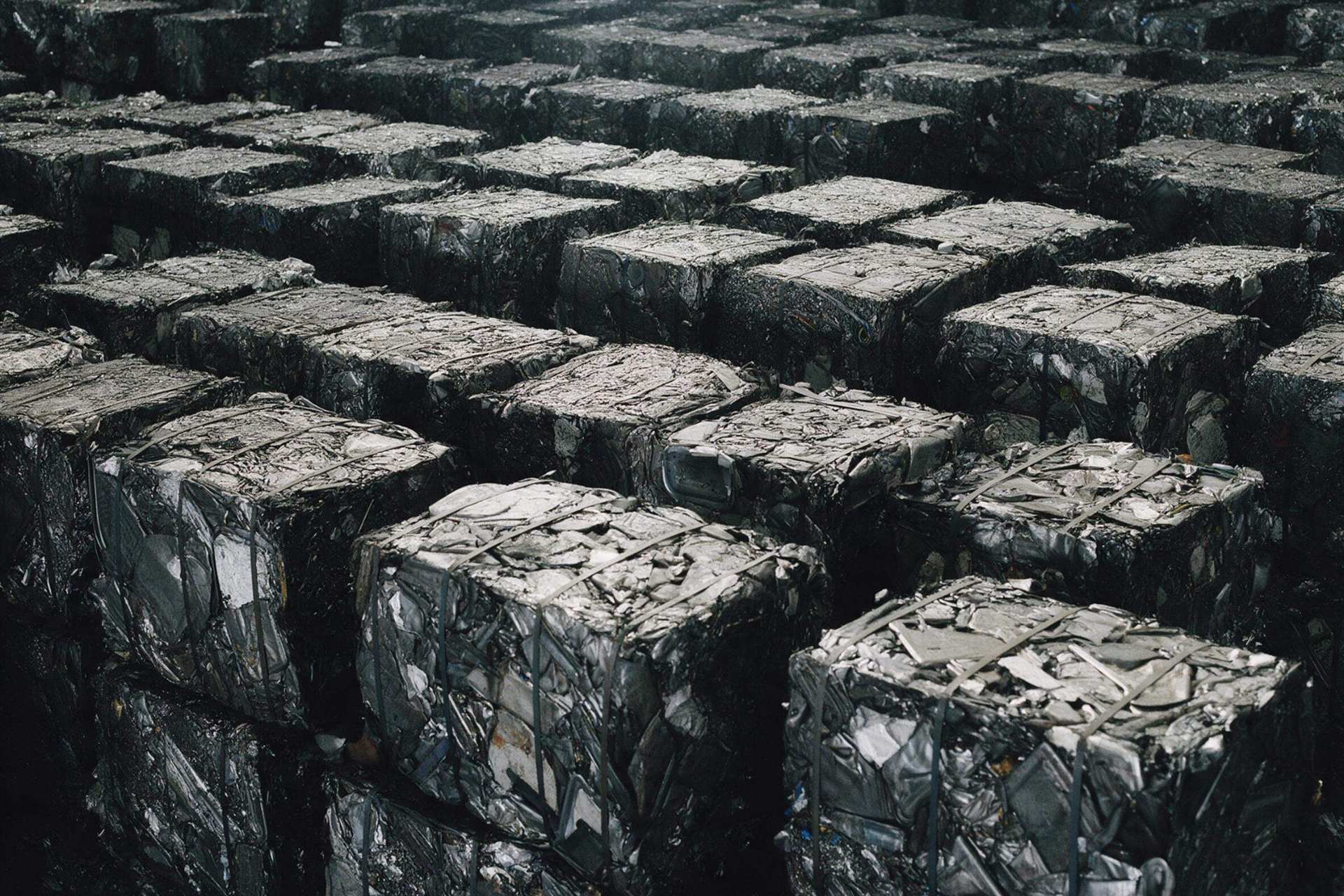
Every year Morocco processes considerable volumes of beet, sugar cane and olives: the sugar mills of the Gharb, Loukkos, Tadla and Doukkala, and the oil presses of Meknes, Fes, Marrakech and the North concentrate entire production lines in stainless steel, carbon steel, copper and brass. When a campaign ends, when a line is modernised or when a plant is restructured, this equipment — diffusers, evaporators, crystallisers, centrifuges, presses, malaxers, decanters, boilers and kilometres of piping — becomes a stock of scrap and non-ferrous metals that must be managed cleanly, without disrupting the next campaign.
What makes these industries special is their seasonal rhythm and their food-grade requirements. Sugar mills and oil presses live to the rhythm of their campaigns: a few months of intense activity, then an off-season devoted to maintenance, overhauls and replacements. It is in this window, between two campaigns, that collections must be prepared and carried out. And because every piece of equipment has been in contact with foodstuffs, cleaning before collection and rigorous metal separation determine the quality of recycling. This guide reviews the stocks, the sorting and the organisation of collections in Moroccan sugar mills and oil presses.
The metal stocks of a sugar mill
A sugar mill is first and foremost a heavy boilermaking plant. The heart of the process — diffusion, evaporation, crystallisation — uses diffusers, multiple-effect evaporators, syrup tanks, crystallisers and centrifuges, mostly in food-grade stainless steel, with tube bundles, coils and exchangers in stainless steel or copper. Added to this equipment are steam boilers and their networks, turbines, pumps, beet and bagasse conveyors, storage structures and silos, plus the piping and valve networks that irrigate the whole plant.
The second stock is utilities and workshops: steam plants, compressors, cooling units, electrical installations and copper cabling, metal frameworks of process buildings, fuel and molasses tanks, and the handling fleet — trolleys, weighbridges, skips. During a modernisation, an entire line often comes out at once: a large, mixed lot that must be sorted on site before loading. Our guide to sorting metals in business gives the basics of this sorting, and our article on scrap metal from agriculture completes the picture of the food sector.
Oil-press equipment: presses, malaxers and stainless tanks
In an oil press, modern or traditional, the noble metal dominates: olive oil demands stainless steel everywhere the product flows. Hydraulic or continuous presses, malaxers, horizontal and vertical decanter centrifuges, storage and settling tanks, filters, transfer pumps, packaging and bottling lines: almost all of this equipment is food-grade stainless steel, often thick-walled, completed by carbon-steel frames, screw conveyors, olive conveyors and reception structures.
Artisanal and semi-industrial presses generate smaller but equally interesting lots: old screw presses, millstones and frames, storage tanks, hot-water boilers and pipework. And as with sugar mills, utilities count: generating sets, compressors, boilers, copper cabling and aluminium joinery in the buildings. One point common to both sectors: seasonality means collections must be scheduled during the off-season, when lines are stopped and accessible.
Stainless steel, carbon steel, copper and brass: sorting without mixing
The step that changes everything in a sugar mill or oil press is separating stainless steel. Tanks, food-grade piping, centrifuges and decanters are stainless, while frames, conveyors and structures are most often carbon steel. Mixed together, they all leave as ordinary scrap; separated, stainless steel keeps its specificity and is recovered through its own channel. A magnet is enough for the first sort: food-grade austenitic stainless steel is barely magnetic, unlike carbon steel. Our article on stainless steel buy-back explains the differences to know.
Copper is found in exchanger tube bundles, coils, motor and pump windings and electrical cabling; brass in taps, valves and fittings on steam and water networks. These non-ferrous metals deserve their own containers, sheltered from damp. Composite items — motors, pumps, complete centrifuges — are treated separately, without wild dismantling: we then separate each stream towards its channel. For copper in particular, our guide to copper buy-back recalls best practice.
Food hygiene: cleaning before collection
Every piece of equipment in a sugar mill or oil press has been in contact with foodstuffs: beet or cane juice, syrups, molasses, olive paste, oil. Before any collection, tanks, piping, centrifuges and decanters must be emptied, rinsed and cleaned under the plant's procedures. Residues of molasses, pulp or olive-mill wastewater must not leave with the metal: they soil the lot, complicate handling and can cause problems in the recycling channel.
In practice, plan a preparation phase before collection day: full draining, rinsing with clean water, draining of tanks and lines, then drying. Cleaning effluents join the plant's treatment circuit, never the ground or the stormwater network. For equipment that held chemical cleaning products or lubricants, check the safety data sheets and isolate the items concerned. A clean lot means faster loading, more reliable weighing and a channel that accepts the metal without reservation.
Working between campaigns, in complete safety
The intervention window is short: between the end of one campaign and the preparation of the next, the plant goes into maintenance. That is the time to remove retired equipment, before overhaul teams need access and working areas. So plan the collection as soon as the campaign ends: lot inventory, cleared consolidation area, truck access, lifting equipment for heavy items — tanks, boilers, press frames — and a named contact on site to validate the inventory.
Safety deserves particular attention in these plants: steam networks still under pressure, hot surfaces, confined tanks and silos, chemical cleaning products, combustible bagasse dust. Before any dismantling, lock out energy sources — steam, electricity, compressed air — ventilate tanks and confined spaces, and forbid hot cutting near bagasse or dry pulp storage areas without a hot-work permit. Boilers and pressure equipment follow their own decommissioning rules, with dismantling by qualified workers. MOUMETAL collects on site throughout Morocco, with loading equipment suited to industrial access.
FAQ — Scrap metal from sugar mills and oil presses
When should a collection be scheduled in a sugar mill or oil press? Between two campaigns, during the maintenance off-season, when lines are stopped and accessible. Plan ahead from the end of the campaign: inventory, consolidation area and truck access are prepared before overhaul teams arrive.
Must tanks and lines be cleaned before collection? Yes: full draining, rinsing and draining under the plant's procedures. Residues of syrup, molasses, olive paste or olive-mill wastewater must not leave with the metal.
Are boilers and pressure equipment dismantled like the rest? No: they follow their own decommissioning rules, energy lockout and dismantling by qualified workers, coordinated with the plant's maintenance department.
How do you recognise food-grade stainless steel on a production line? With a magnet first: food-grade austenitic stainless steel is barely magnetic, unlike the carbon steel of frames and structures. Appearance helps too: stainless steel keeps a bright finish and does not rust.
Does MOUMETAL cover all sugar and olive regions? Yes: Gharb, Loukkos, Tadla and Doukkala for sugar mills, Meknes, Fes, Marrakech and the North for oil presses — with on-site collections and full lot traceability.
Have MOUMETAL recover metals from your sugar mill or oil press
Sugar mills, refineries, modern or traditional oil presses: MOUMETAL collects and recovers your metals in Morocco, with collections scheduled between your campaigns and full traceability. To go further, read our guide to sorting metals, our article on scrap metal from agriculture and our scrap metal buying page. Contact us: +212 660 690 806 — contact@moumetal.com.