
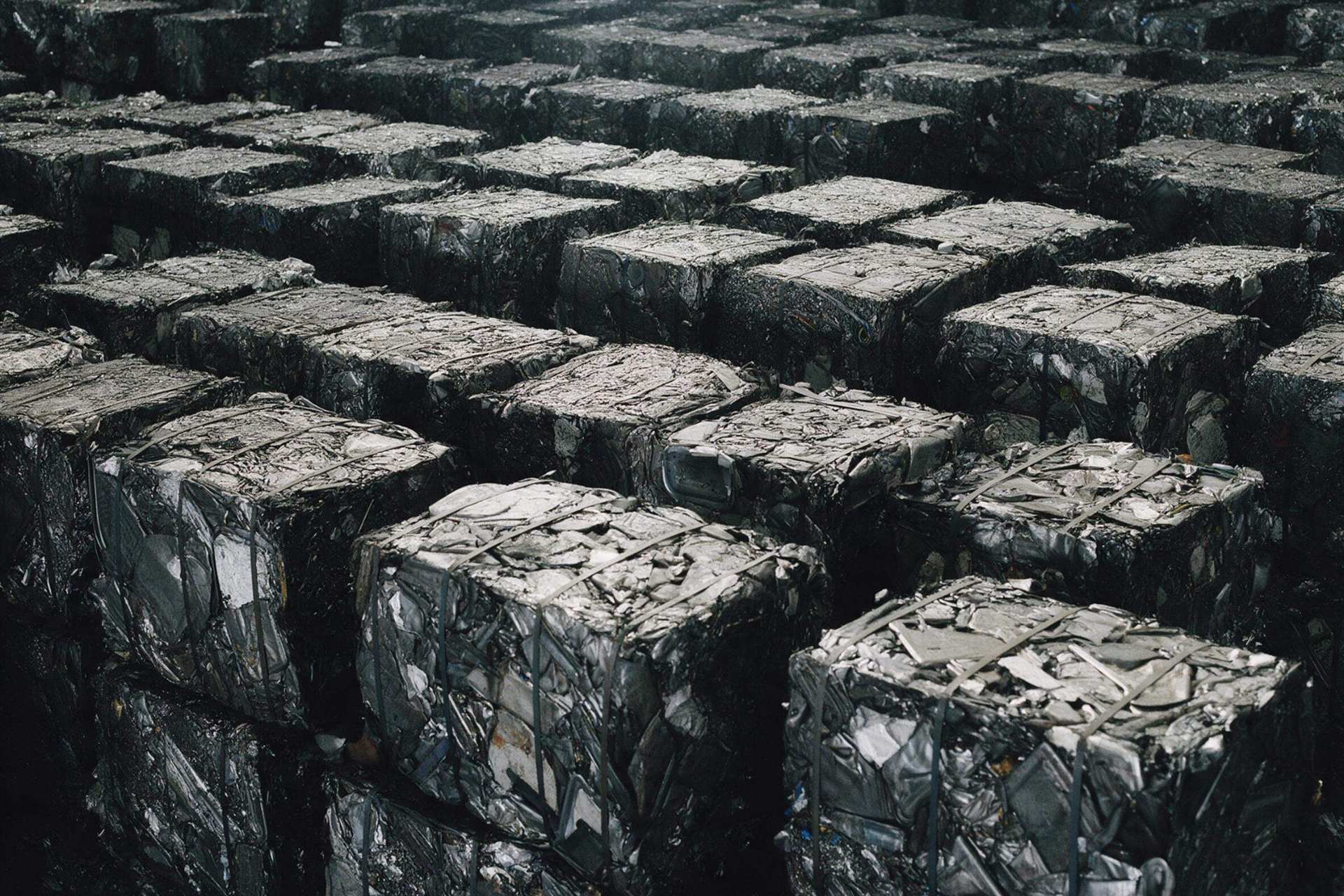
On a Moroccan farm, used equipment tends to gather in a corner of the yard, behind a shed or along the edge of a field. A tractor out of service, a trailer at the end of its life, twisted greenhouse hoops, pierced irrigation pipes, an old motor-pump set: each item takes up space, gets in the way of working machinery and slowly deteriorates under sun and rain. Behind that clutter, however, lies a clearly identifiable stock of metals, provided they are sorted, prepared and collected under good conditions.
Farms, cooperatives and agricultural contractors benefit from treating this as a proper workstream rather than an occasional tidy-up. Farm machinery contains large amounts of steel, but also cast iron, aluminium, copper in motors and wiring, and sometimes stainless steel in dairy or food-processing equipment. Properly separated, each metal follows a suitable recycling route. Mixed together with tyres, batteries and used oils, the same metals lose value and complicate handling. This article explains, step by step, how to inventory, sort, prepare and arrange collection of agricultural scrap in Morocco, from the Gharb to the Souss and the Saïs, without interrupting the work of farm teams.
Which farm equipment becomes scrap metal
The first step is a simple walk around the farm with a checklist. Retired tractors and combine harvesters come first: chassis, cabs, wheels, ballast weights, linkages and transmission parts represent a considerable volume of steel. Next come trailed and mounted implements: ploughs, harrows, seed drills, sprayers, mowers, balers and trailers. Even heavily worn or incomplete, these tools remain made of sheet metal, profiles and heavy parts that can be recycled. They should not be left to disappear into vegetation or sink into mud, because recovery then becomes slower and riskier.
Sorting steel, cast iron, copper and aluminium
Sorting is the step that makes all the difference to recovery value. Steel dominates chassis, soil-working tools and greenhouse structures. Cast iron appears in engine blocks, housings and heavy parts. Aluminium is found in light housings, wheels, profiles and some irrigation equipment. Copper, less visible but valuable for recycling, hides in electric motor windings, alternators, starters and cables. Good metal sorting for businesses relies on simple habits: separate piles by metal family, remove composite parts, and keep cables aside without burning them or stripping them carelessly.
In the field, a few markers help teams. A magnet quickly separates magnetic steel and cast iron from non-magnetic aluminium and copper. Colour and weight give further clues: copper shows a reddish tint beneath oxidation, aluminium is distinctly lighter than steel for the same volume, and cast iron tends to break rather than bend. Electric motors deserve particular attention: they combine copper, steel and sometimes aluminium in a single unit, and their treatment follows a dedicated route, as explained in our guide to recovering used electric motors. Placing motors in a separate bin or area, rather than burying them in a mixed steel pile, makes their handling and recycling much easier.
Copper in farm installations deserves the same care. Pump supply cables, greenhouse wiring, tractor harnesses and windings should be grouped separately, protected from damp and from vehicle movements. Our article on copper recovery in Morocco explains why this metal is sorted apart: it can be recycled almost indefinitely without losing its properties, provided it is not contaminated by other materials. Conversely, galvanised, painted or rusted parts should not be mixed indiscriminately with clean steel: their condition should be flagged to the collector, who will adapt handling and routing. Honest, clearly labelled sorting, with piles that are identified and accessible, remains the best guarantee of a fast collection and fair recovery.
Draining and preparing equipment before collection
Before any collection, technical preparation is essential, for the safety of people and the cleanliness of the site. A tractor, a combine or a motor-pump set contains engine oil, fuel, coolant and sometimes hydraulic fluid. These liquids must be drained into sealed containers, on a stable surface, away from water points and cropped fields, then stored in a marked area pending disposal through a suitable channel. Fluids must never be allowed to run onto the ground, mixed together, or transferred into food containers. Clean draining prevents soil pollution, protects groundwater, and makes equipment safer to handle, load and transport.
Batteries, tyres and plastics: what is not scrap metal
Some items almost always accompany farm machinery, but they are not scrap metal. Batteries come first: they must be removed and stored separately, upright, under cover, on a resistant surface, without stacking or piercing them. They contain substances hazardous to the environment and to people, and their recycling follows a specific route, described in our guide to recycling used batteries in Morocco. Tractor, combine and generator batteries must never be thrown into a metal pile or abandoned at a field edge: simple dedicated storage is enough to prevent leaks and short circuits.
Organising on-site collection without blocking the season
The major constraint on a farm is the agricultural calendar. A badly timed collection can hinder a harvest, block access to fields, or occupy a shed during packing. The right method is to choose the window with the farm teams: between two jobs, after harvest and before sowing, or during a quiet period in the workshop. The loading area must be reachable by trucks without crossing cropped fields, and open enough to manoeuvre lifting equipment. If equipment is scattered across several fields, it is better to gather it beforehand at a single point near a passable track, rather than sending trucks from field to field.
For large farms and cooperatives, grouping changes everything. A joint collection, agreed between neighbouring members, concentrates volumes, reduces journeys and clears yards in a single operation. Each member prepares their lot separately, with the same sorting and preparation, and collections then follow a logical route. That organisation takes a little coordination, but it avoids repeated visits and part loads. It is especially useful in vegetable and orchard areas, where farms sit close together and where greenhouses are often replaced at the same time, at the end of a cropping cycle.
Seasonality and regional examples in Morocco
Moroccan agriculture is not uniform, and the scrap it produces varies by region and season. In the Gharb, dominated by field crops, sugar beet and vegetables, the end of the season releases soil-working equipment, trailers and gravity or pressurised irrigation gear. In the Saïs, around Meknes and Fes, orchards and field crops generate mechanised pruning tools, sprayers and storage structures. In the Souss, protected cropping produces large volumes of hoops, wires and drip-irrigation systems that need regular renewal. Each region therefore has its own replacement calendar, linked to cropping cycles, greenhouse renewals and tractor fleet upgrades.
FAQ — Agricultural scrap metal in Morocco
Can a complete tractor be collected without prior dismantling? Yes, in most cases, provided it has been drained of oil and fuel, its battery has been removed, and its tyres have been taken off or flagged. The collector then handles loading and any further dismantling, with lifting gear suited to the weight and size of the machine.
What should be done with galvanised steel greenhouse structures? Plastic covers, clips, strings and non-metal parts must be removed first, then hoops, posts and cross-members grouped in an accessible pile. Galvanised structures recycle with steels, but their condition should be flagged to the collector so handling can be adapted.
Are plastic irrigation pipes scrap metal? No. Only metal pipelines, valves, pumps and frames count as scrap metal. Plastic pipes must be sorted separately and sent to their own channel, without being mixed with steel pipelines.
When should a collection be scheduled so it does not disrupt harvest? The best window falls between two jobs, after harvest or before sowing, agreed with the farm teams. The loading area must stay reachable by truck without crossing cropped fields, and gathering equipment beforehand at a single point makes the operation much easier.
Should batteries and tyres stay on the equipment? No. Batteries are stored separately, in a dedicated area, pending their specific recycling route. Tyres are removed from rims: the rim joins the metals, while the tyre follows its own channel. That separation makes the lot cleaner and safer to handle.
Entrust your agricultural scrap collection to MOUMETAL
Farms, cooperatives and agricultural contractors: MOUMETAL supports you with inventory, sorting and collection of your agricultural scrap across Morocco, organised around your cropping calendar and your site access. Contact us on +212 660 690 806 or by email at contact@moumetal.com to prepare your collection and free your yards and sheds safely.