
Morocco is one of the world's great phosphate countries: mining, ore beneficiation, then processing into fertilizer in vast industrial complexes. This chain — from the mine to the fertilizer plant, through washing plants, dryers, granulation workshops and bulk port terminals — relies on heavy metal equipment exposed to abrasion, corrosion and chemical products. Belt conveyors, crushers, mills, screens, silos, steel structures, piping, tanks, boilers and electrical cabinets: when a line is modernized, when a workshop is shut down or when an old installation is dismantled, large volumes of metal must be managed cleanly, without interrupting production on neighbouring lines.
What makes this sector specific is the combination of three constraints: abrasive mineral dust that wears steel, aggressive chemical environments — acids, fertilizers, vapours — that attack structures, and sites running continuously, where every intervention must be coordinated with the site's maintenance and safety teams. This guide reviews the metal arisings of Morocco's phosphate and fertilizer industry, the sorting and decontamination to apply, and how to organise collections that fit your planned shutdowns.
Metal arisings from a phosphate mine and a fertilizer plant
Upstream, phosphate extraction and beneficiation concentrate ore-processing plant: crushers, mills, vibrating screens, trommels, hydrocyclones, thickeners, filters, dryers and pumping stations, mounted on steel frames and structures, with wear liners, wear coatings, rollers, gearboxes and motors. Added to this equipment are the conveyors linking workshops together, storage silos, hoppers, walkways and industrial building structures, as well as water, compressed-air and electrical networks.
Downstream, fertilizer plants add their own arisings: reactors, storage tanks for acids and liquid fertilizers, granulators, rotary dryers, coolers, dust collectors, scrubbing towers, boilers and heat exchangers, steel and stainless piping, dosing pumps and valves, not to mention packaging equipment — bagging machines, palletisers, loading lines — and bulk loading equipment at ports. During a maintenance shutdown or a modernisation, an entire line often comes out at once: a large, mixed load to be sorted on site before loading. Our guide to sorting metals in a company covers the basics of this sorting, and our article on scrap metal from quarries and mines completes the picture for extractive industries.
Conveyors, crushers and structures: steel at the heart of the plant
The largest arising by weight is steel: conveyor structures, stringers, trestles, supports, walkways, handrails, hoppers, silos and machine frames. Belt conveyors deserve particular attention: their structures dismantle into transportable sections, their rollers and drums separate from the belts, and their motors and gearboxes go to their own stream. The belts themselves, often reinforced with steel cords, are handled separately: the steel they contain is recovered, and the remainder goes to a dedicated stream.
Crushers, mills and screens concentrate specific wear steels: liners, jaws, hammers, grids and crushing plates, often in alloy steels or manganese steel, which must be separated from ordinary construction steel. Wear parts are sorted by type before loading, because a mixed load loses its specific character. Rotary dryer, kiln and granulator structures — shells, tyres, rollers, girth gears — complete the load: heavy parts, sometimes several tonnes, requiring suitable lifting equipment and a cutting plan agreed with the site. Our article on scrap metal from steelworks, foundries and metallurgy details the steel grades to know, and our page on industrial machine dismantling describes how this type of operation is organised.
Stainless steel, copper and cabling: sorting without mixing
The move that changes everything in a fertilizer plant is separating stainless steel — after cleaning. Tanks, reactors, chemical piping and washing equipment are stainless steel, while structures, supports and frames are usually carbon steel. Mixed together, they all leave as ordinary scrap; separated and cleaned, stainless keeps its specific character and is recovered through its own stream. A magnet is enough for a first sort: austenitic stainless is barely magnetic, unlike carbon steel. Our article on stainless steel buy-back details the grades to know.
Copper is found in motor windings, transformers, electrical cabinets and the cabling of lines, conveyors and control rooms; brass in taps, valves and fittings. These non-ferrous metals deserve their own containers, sheltered from moisture and dust. For copper in particular, our guide to copper buy-back recalls best practice. And composite items — motors, pumps, gearboxes, complete machines — are handled separately, without rough dismantling: we then separate each stream towards its own route. Cables are sorted by type: copper cables, aluminium cables and armoured cables never leave in the same load.
Safety and decontamination: dust, chemicals and classified areas
Every piece of equipment in a fertilizer plant has been in contact with chemical products: acids, fertilizers, additives, phosphate dust, washing sludge and granulation residues. Before any collection, tanks, reactors, piping and granulation machines must be emptied, rinsed and cleaned following the site's procedures, and cleaning effluents join the plant's treatment circuit, never the ground or the stormwater network. Concentrated products, sludge and bath residues never leave with the metal: they belong to dedicated waste streams, in coordination with the site's environmental manager.
Safety deserves particular attention on these sites: airborne dust, corrosive or irritating products, pressurised equipment, steam, compressed air, high voltage and explosion-risk areas linked to combustible dust. Before any dismantling, lock out energy sources — electricity, steam, compressed air, hydraulics —, wear protective equipment suited to the products encountered, and ban hot cutting near flammable product stores or dust silos without a hot-work permit and an atmosphere check. Boilers, pressure vessels and gas installations follow their own decommissioning rules, handled by qualified contractors. A clean, drained and identified load means faster loading, more reliable weighing and a route that accepts the metal without reservation.
Collection logistics on continuously operating sites
The intervention window is short: planned shutdowns of a mine or fertilizer plant are timed around production campaigns and maintenance programmes, and the site's teams need access, working areas and lifting equipment. Plan the collection as soon as the shutdown is announced: an inventory of loads, a clear grouping area away from production flows, truck and handling-equipment access, lifting equipment for heavy parts — shells, structures, crusher frames — and a contact person on site to validate the inventory and coordinate with maintenance.
Mining sites and industrial complexes are vast: plan truck rotations suited to internal distances, intermediate storage areas for sorted loads, and traceability per load — type of metal, workshop of origin, weight — from the collection point to the recovery route. Work often runs in several phases: first light parts and cables, then dismantlable structures, finally heavy parts and frameworks. This phasing avoids bottlenecks and lets neighbouring lines keep producing. Our scrap collection and removal page describes our intervention resources, and our article on scrap metal from cement plants and building materials presents comparable logistics on heavy sites in continuous operation, as does our article on scrap metal from the chemical and petrochemical industry.
Sorting and recovery: from scrap to the recycling route
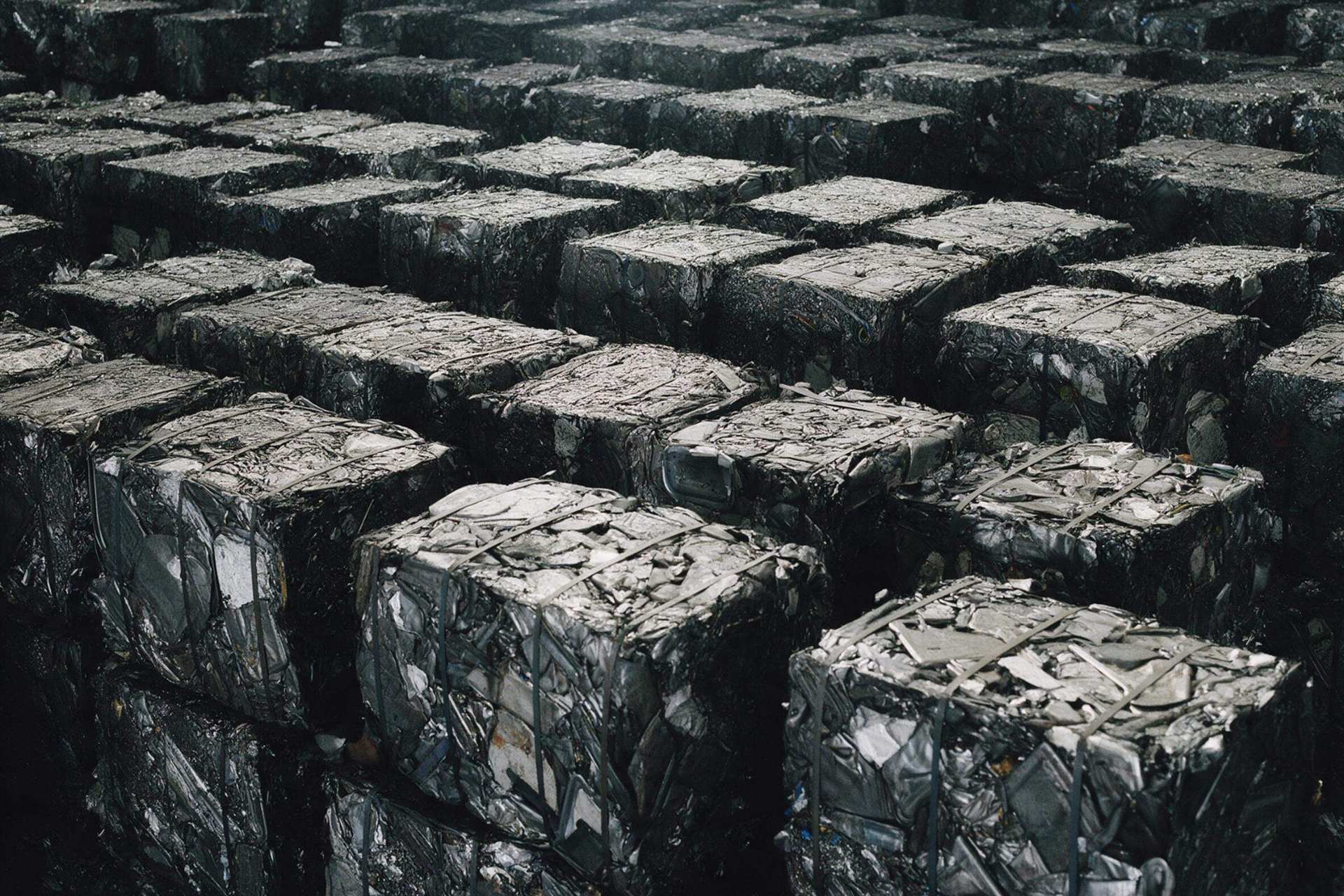
Once collected, metals go through rigorous sorting: construction steels, wear steels, stainless steel, cast iron, aluminium, copper and brass are separated, then directed to their recycling routes. This on-site sorting, before loading, is the most profitable step of the whole operation: it avoids mixtures that downgrade loads, shortens loading time, and guarantees full traceability, load by load, which your environmental and purchasing departments can use in their reporting. Our metal recycling page presents these routes.
For a mining site or a fertilizer plant, metal recovery also fits a wider environmental approach: less open-air storage, fewer abandoned structures, workshops cleared for maintenance teams, and metals returning to industry instead of being landfilled or abandoned. Reusable parts — motors in working order, gearboxes, pumps, conveyor components — are flagged separately: reuse, when possible, is always better than remelting. Flag them during the inventory, before dismantling, so they are preserved.
FAQ — Scrap metal from the phosphate and fertilizer industry
When should a collection be planned at a phosphate mine or fertilizer plant? During a planned shutdown, when the lines concerned are stopped and accessible. Plan ahead as soon as the shutdown is announced: inventory, grouping area and truck access are prepared before the maintenance teams arrive.
Do tanks and reactors need cleaning before collection? Yes: complete draining, rinsing and draining-off following the site's procedures. Leftover chemicals, sludge and fertilizer must not leave with the metal.
Do sludge, acids and fertilizer residues leave with the scrap? No, never: they belong to dedicated waste streams, in coordination with the site's environmental manager, and must not contaminate metal loads.
How do you recognise stainless steel in a fertilizer plant? With a magnet first: austenitic stainless is barely magnetic, unlike the carbon steel of structures and frames. Appearance helps too: stainless keeps a bright finish and resists aggressive chemical environments better.
Does MOUMETAL work on mining sites and fertilizer complexes across Morocco? Yes: mines, washing plants, fertilizer plants and port terminals, all over Morocco — with on-site collections, lifting equipment suited to heavy parts and full traceability of loads.
Have MOUMETAL recover the metals from your phosphate or fertilizer site
Phosphate mines, washing plants, fertilizer plants and port terminals: MOUMETAL collects and recovers your metals in Morocco, with collections planned around your shutdowns and full traceability. To go further, read our guide to metal sorting, our article on scrap metal from quarries and mines and our scrap metal purchase page. Contact us: +212 660 690 806 — contact@moumetal.com.