

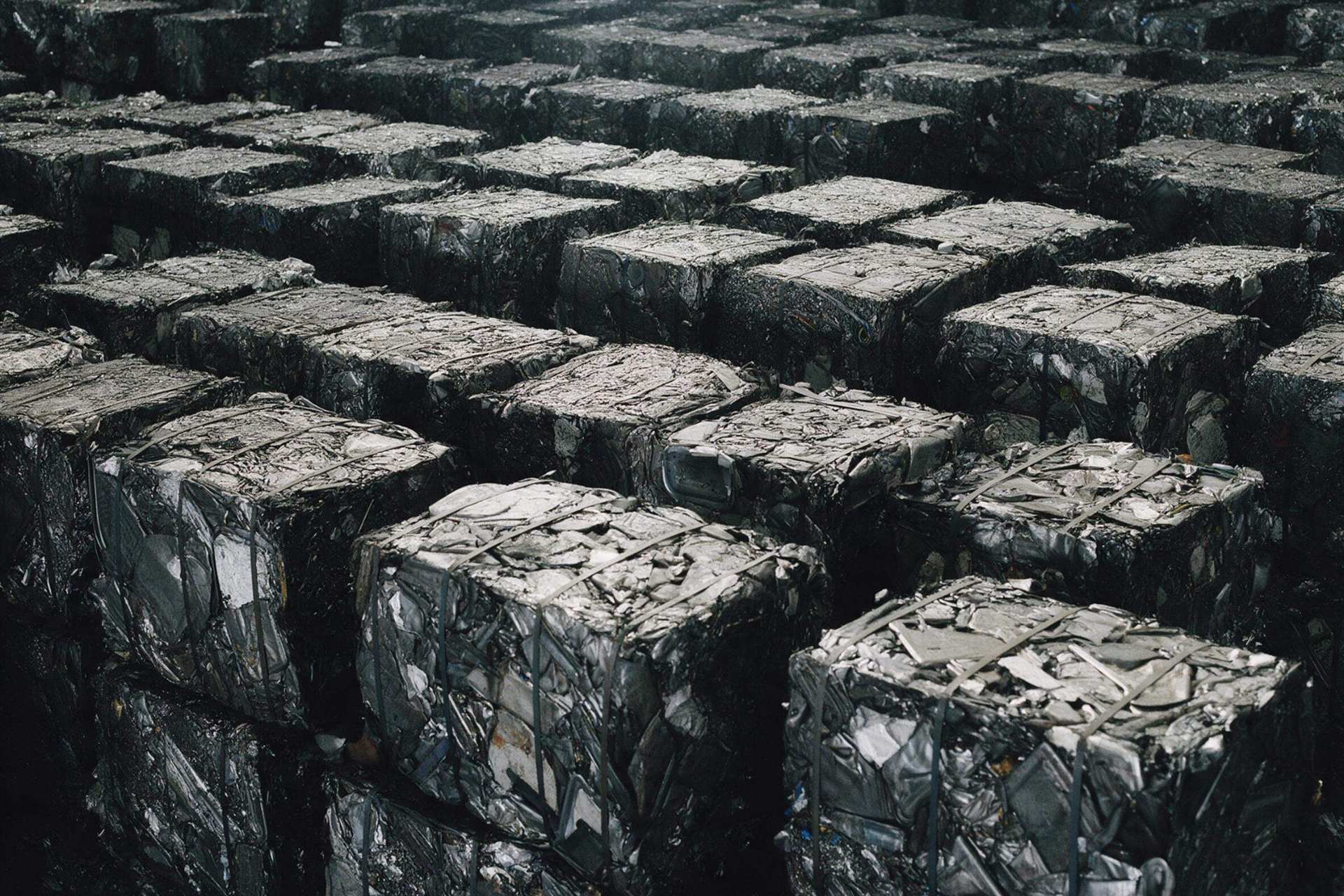
A cable factory is a plant that turns metal into kilometres of cable: drawing copper and aluminium, enamelling, insulating, armouring, winding onto reels. At every step, production generates offcuts — end-of-reel cuts, defective lengths, set-up rejects, leftover enamelled wire. In Morocco, where electric cable manufacturing is growing, these production offcuts are a clean, regular and high-value stock of metals. This guide explains what a cable factory's scrap is worth, how to sort it and how to recover it — without ever burning a cable.
A first point of method: production offcuts are not end-of-life cables. A used cable, removed from an installation, has aged, sometimes been exposed to the weather and mixed with other materials. A cable-manufacturing offcut, by contrast, is new metal, of known composition, produced in a steady flow by a running plant. That difference changes everything: sorting is simpler, the metal is cleaner and recovery is more direct. Our article on recovering electric cables covers end-of-life cables; this one is devoted to manufacturers and their production offcuts.
Cable-manufacturing offcuts: a copper and aluminium stock in a cable plant
The heart of the stock is the conductor. Cable makers work two metals: copper, the reference conductor for power and data cables, and aluminium, lighter, used for power-transmission cables and some low-voltage cables. Offcuts arise at every step: drawing, stranding the cores, enamelling, sheathing and reeling. Copper cable recycling in Morocco therefore concerns these workshop flows first — regular and homogeneous — well before cables removed on site.
Beside the conductors, the plant produces other metals: steel from armouring and screens, galvanised steel tapes and wires from armoured cables, and sometimes brass from connectors and fittings. The reels themselves — wooden drums with steel flanges, or fully metal drums — are a flow of their own, to be managed as reuse or as scrap depending on their condition. A full inventory, done with the production manager, maps these flows before any collection.
How to sort cable-manufacturing offcuts: copper, aluminium, PVC and armouring
Sorting cable-manufacturing offcuts starts with the conductor metal: copper on one side, aluminium on the other, never mixed. Copper is recognised by its colour and density; aluminium, lighter, is sorted by family. Within copper, bare copper, tinned copper and enamelled wire are separated — the enamel is a thin insulating layer treated differently from bare copper. This sorting at source is what makes the load valuable: clean, homogeneous copper goes straight to remelting, with no costly separation step.
Then come the sheaths and insulants: PVC and XLPE (cross-linked polyethylene) surround the conductors and must be separated from the metal by shredding and granulation, never by burning — we come back to that below. Steel armouring separates magnetically. Reels and drums are sorted by condition: reusable ones go back into production; worn ones join the scrap. The golden rule of sorting, valid for all industrial scrap, is the same: each family in its own labelled bin, from the production line onwards. Our article on the scrap purchase process, step by step details this organisation.
Why must cables never be burned?
Burning a cable in the open air to recover the copper is an old practice — and a doubly losing one. First, it is banned: Law 28-00 on waste management, article 7, formally prohibits the open-air burning of waste, cables included. Second, it destroys value: the flame oxidises the copper, making it brittle and contaminated, and destroys the PVC sheath instead of recovering it. Burned copper recovers less well than clean copper, and the fumes released expose workers and neighbours to serious health risks.
The right method is mechanical: cable shredding separates the metal core from its sheath without flame. A granulator cuts the cable into small pieces, then sorting tables separate the copper — or the aluminium — from the plastic by density and suction. The copper recovered this way is clean and can reach a purity close to 99.9%, ready for remelting. The recovered PVC, in turn, can be reused as secondary material. Burning turns two recoverable materials into damaged metal and toxic smoke: no serious workshop does it any more.
Shredding and granulation: Morocco's route for recovering copper from cables
Morocco now has an industrial route for copper from cables. Alucop's copper and aluminium recovery plant at Berrechid, inaugurated in April 2024, illustrates this growth: cable-manufacturing offcuts find a local industrial outlet there, instead of being exported raw or treated by hand. It is an asset for Moroccan cable makers, whose production volumes follow the sector's growth — several cable manufacturers are installed in Morocco and copper cable imports are rising.
The context speaks for itself: 75 to 80% of copper waste in Morocco comes from electric cables, which makes cable the country's first source of copper. And the need for clean routes is real: Morocco produced 177,000 tonnes of waste electrical and electronic equipment (WEEE) in 2022, of which only about 13% was recycled. Recovering copper from cables therefore goes through organised, traceable circuits that cleanly separate metal from plastic. To understand the WEEE framework for businesses, read our article on WEEE for businesses in Morocco.
Used reels and drums: reuse first, recycling second
Reels and drums deserve treatment of their own. A drum in good condition — solid flanges, intact axle — is reused: it goes back into production for a new reel of cable. That is the best possible recovery, since it avoids manufacturing a new drum. Cable makers that organise drum rotation with their customers cut both their purchases and their waste. MOUMETAL therefore systematically separates reusable drums from drums that are out of service.
Worn drums, by contrast, are dismantled: the wood goes to its own route, and the steel of the flanges and axles joins the scrap. Damaged metal reels are treated as steel. As for the small plastic bobbins of enamelled wire or fine cable, they are sorted with the plant's technical plastics. A simple tip: store drums under cover, on a dedicated area, rather than letting them rot outside — a dry, whole drum is reused, a rotten drum is worth only its scrap.
The MOUMETAL process for cable makers and cable manufacturers
MOUMETAL works with cable makers and electric cable manufacturers in Morocco with a process designed for production flows. First contact by phone or WhatsApp: the manager describes the flows — copper, aluminium, enamelled wire, drums — and their approximate volumes. A site visit then makes it possible to inventory the offcuts, check the sorting in place and agree on containers: dedicated bins per metal, a storage area for drums, regular or one-off collections depending on the production pace.
On site, our teams sort with the plant's operators, weigh each load and document the flows: metal type, weight, destination. Collection is by truck, without interrupting production, at times agreed with the workshop. Buying copper cable scrap in Morocco is thus organised as a regular service rather than a one-off operation: cable makers that produce continuously need a partner that collects continuously, with full traceability. For a collection or an inventory in your plant, contact us: +212 660 690 806 — contact@moumetal.com. And to place this route in the wider picture of recycling, read our article on metal recycling in Morocco.
FAQ — Scrap metal from cable manufacturing
How are a factory's electric cables recycled? By first sorting them by conductor metal — copper or aluminium — then treating them by shredding and granulation, which separate the metal from the sheath without flame. Production offcuts, clean and homogeneous, are recovered directly; reusable drums go back into production. A collector such as MOUMETAL organises on-site sorting, weighing and regular collection.
Why must cables never be burned? Because open-air burning is banned by Law 28-00 (article 7), it releases toxic fumes and it destroys value: burned copper is oxidised and contaminated, and the PVC sheath is lost. Mechanical shredding recovers clean copper, up to about 99.9% purity, and reusable PVC.
Who buys copper cables in Morocco? Metal collectors and recyclers such as MOUMETAL, which buy cable-manufacturing offcuts from makers — bare copper, tinned copper, enamelled wire — with inventory, sorting, weighing and traceability, as well as industrial recovery routes such as the Alucop plant at Berrechid.
What should be done with used reels and drums? Drums in good condition are reused in production; worn drums are dismantled — wood on one side, steel flanges and axles on the other — and join their recycling routes. Storing them under cover, on a dedicated area, preserves their reuse value.
How should cable-manufacturing offcuts be sorted? By conductor metal first: copper separated from aluminium, then bare copper, tinned copper and enamelled wire separated. PVC and XLPE sheaths and steel armouring are sorted separately, and drums are classified by condition. Each family in its own labelled bin, from the production line onwards.
Have your cable factory's offcuts recovered by MOUMETAL
Copper and aluminium offcuts, enamelled wire, defective lengths, reels and drums: MOUMETAL buys and collects scrap from cable makers and electric cable manufacturers in Morocco, with on-site sorting and full traceability. To go further, read our scrap metal purchase page and our article on buying copper in Morocco, and see also our article on scrap metal from telecom networks. Contact us: +212 660 690 806 — contact@moumetal.com.