
Oujda is the capital of the Oriental region, the great city of eastern Morocco, close to the Algerian border and an hour from the Mediterranean. A city of trade, transit and industry, it concentrates workshops, warehouses, garages and construction sites — and therefore large volumes of brass and bronze in Oujda. The industrial zone, the Technopole east of the city, the medina and its souks, the mechanical garages and the construction sites continuously renew taps, plumbing, valves and mechanical parts in copper alloys. Brass and bronze are two copper alloys — brass with zinc, bronze with tin — found wherever a golden metal is needed that resists corrosion and is easy to work. Whether you run a workshop, a garage, a craft workshop or are a private seller, selling your brass and bronze in Oujda is simple: sort, estimate, collect. MOUMETAL buys your brass and bronze in Oujda and across the region, with free estimation, transparent weighing and on-site collection.
Which brass and bronze scrap do we buy in Oujda?
These are the brass and bronze categories MOUMETAL buys in Oujda:
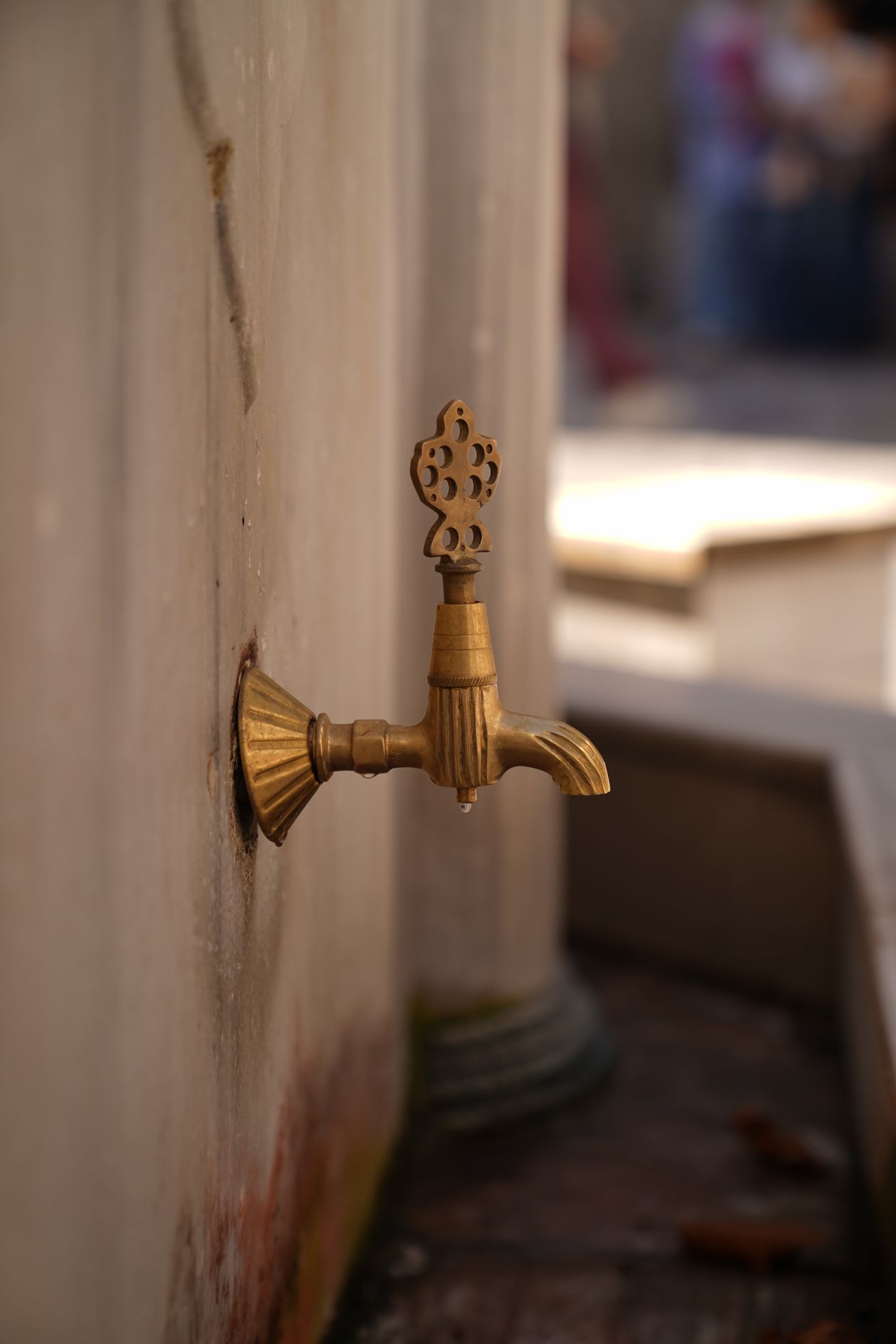
- Brass taps and plumbing: taps, mixers, valves, fittings and traps from bathrooms, kitchens and water networks.
- Water meters and tap parts: water meters, tap bodies and bronze mechanisms from drinking-water networks.
- Moroccan brassware: trays, teapots, lamps and decorative objects in hammered brass, from the workshops of the medina and the souks of Oujda.
- Light fittings and lamp holders: chandeliers, wall lights and lamp holders in brass from hotels, public bodies and homes.
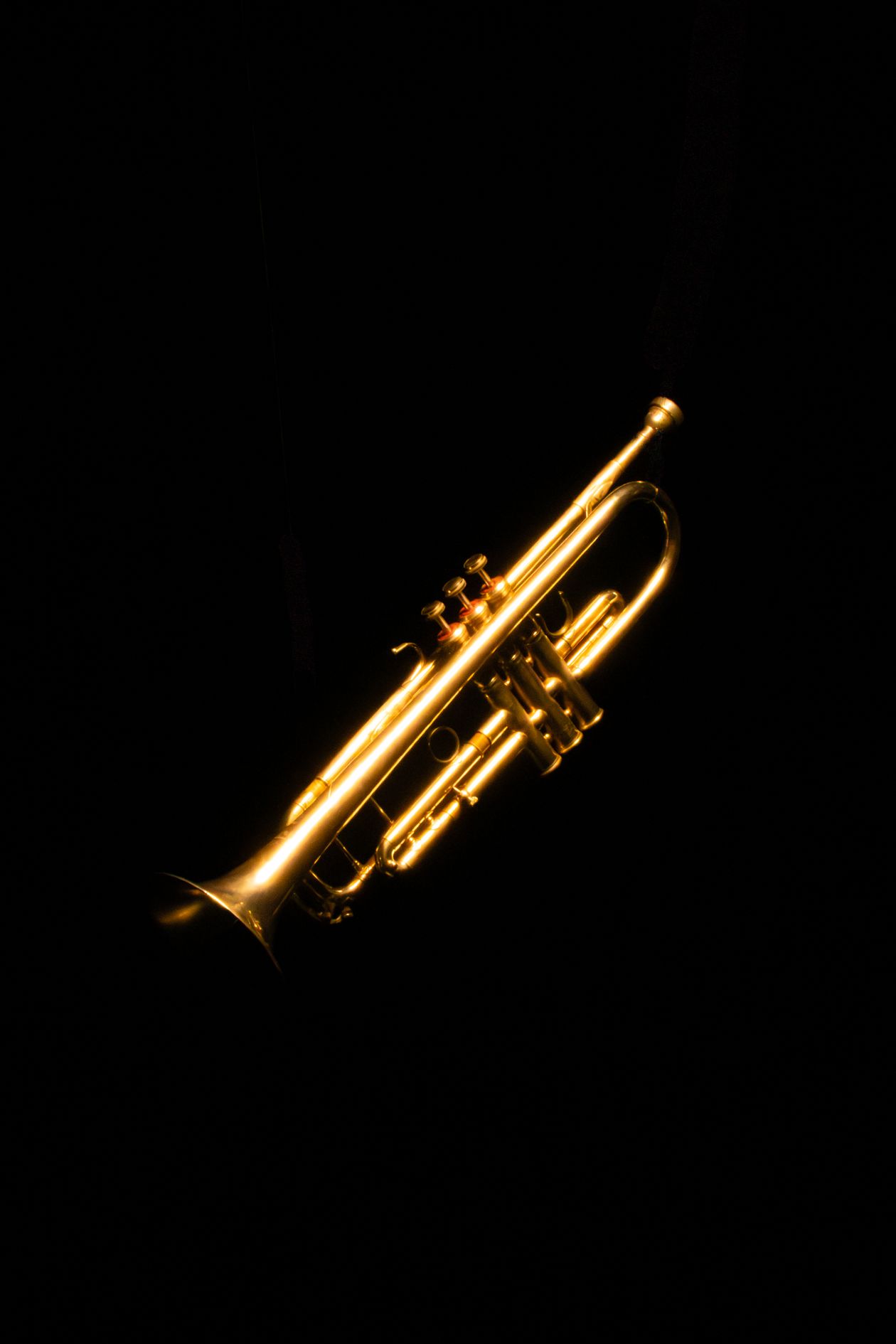
- Musical instruments: trumpets, saxophones and other brass instruments — brass is the metal of wind instruments.
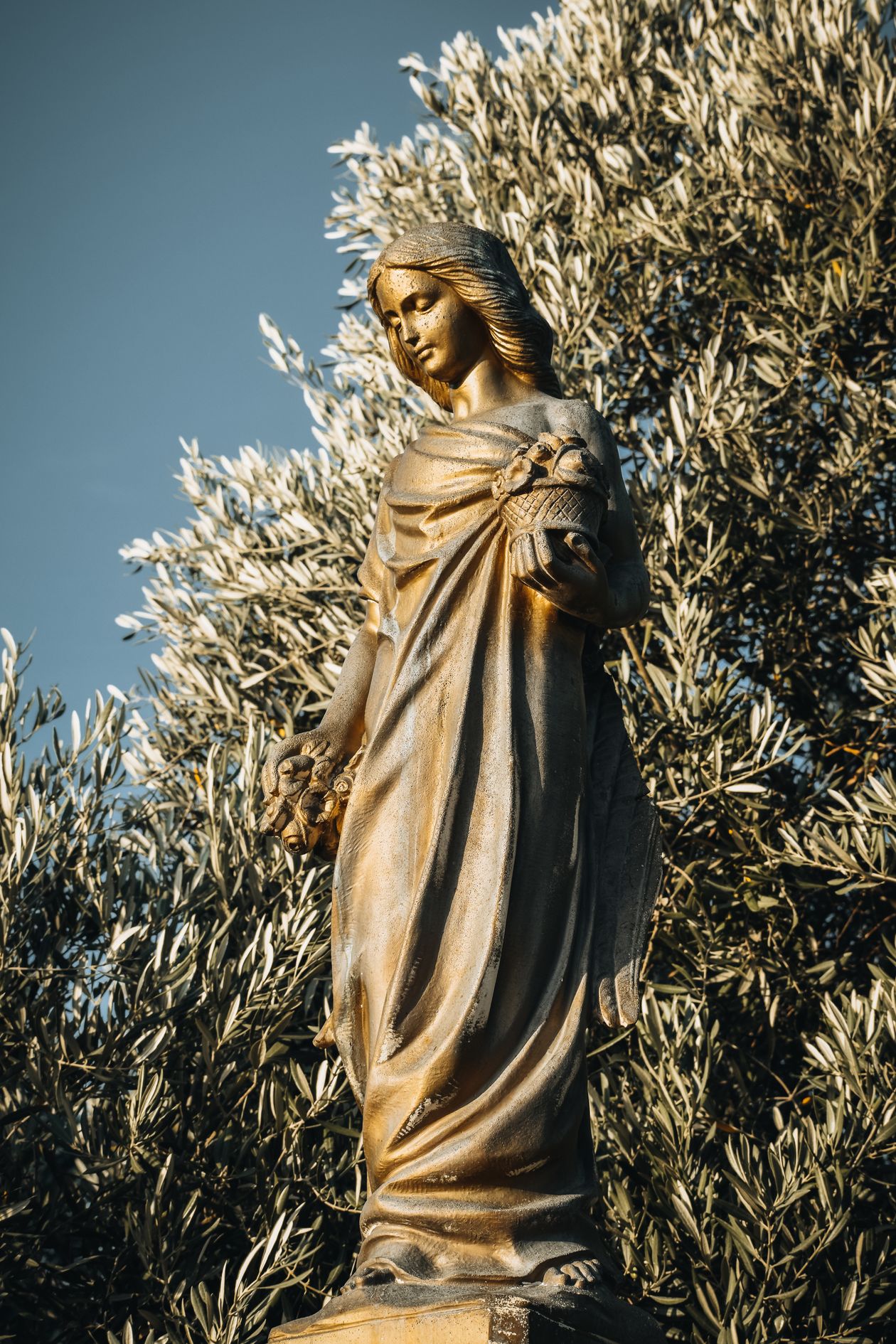
- Bronze statues and decorative objects: statues, busts, bells and plaques in bronze, including patinated pieces.
- Bushings, bearings and mechanical parts: bushings, plain bearings and bronze gears from mechanical workshops and garages in Oujda.
- Foundry parts and machining offcuts: cast parts, risers, brass swarf and bar offcuts from workshops.
Our article on buying copper scrap in Oujda explains the same logic for the other copper alloys collected in the city.
Brass or bronze: how to tell them apart
Brass and bronze look alike — two golden copper alloys — but they do not go to the same stream, and mixing them lowers the value of the lot. Brass is an alloy of copper and zinc: the common alloy CuZn37 contains 63% copper and 37% zinc. Bronze is an alloy of copper and tin: the common alloy CuSn8 contains 92% copper and 8% tin. That difference in composition changes the colour, the sound and the use of each metal.
The first clue is colour: brass is golden yellow, bright and close to gold; bronze is golden brown, darker and more reddish. The second clue is the scratch test: scratch the piece discreetly on a hidden part — a bright yellow scratch means brass, a brown-red scratch means bronze. The third clue is the magnet test: neither brass nor bronze is magnetic — if the magnet sticks, it is neither. Finally, patina and sound help: old bronze develops a green or brown patina and rings with a crystal-clear sound when struck, like a bell.
Good habits for sorting brass and bronze:
- Separate with the scratch test: bright yellow on one side, brown-red on the other — never mix brass and bronze in the same lot.
- Check with a magnet: set aside magnetic pieces, which are not copper alloys.
- Isolate composite parts: a tap mixing brass, steel and plastic must be reported — plastic and steel parts are removed before weighing.
- Beware of fake brass: golden plastic, chrome-plated steel, merely gold-painted parts — a shiny look is not enough, the scratch test decides.
Where is brass and bronze found in Oujda?
Every zone of Oujda produces its own brass and bronze scrap:
- The industrial zone of Oujda : the city's business zone — mechanical workshops, warehouses, small factories and service companies — with regular flows of brass and bronze taps, plumbing and foundry parts.
- The Technopole of Oujda : the technological and university hub east of the city — buildings, workshops and equipment — with brass taps and fittings.
- The medina and the souks : the metalwork, ironwork and brassware workshops — trays, teapots and objects in hammered brass, brass and bronze offcuts.
- Garages and mechanics : Oujda has many garages and repair workshops — bronze bushings, bearings and fittings, taps and out-of-service parts.
- Construction sites : building and renovation across the city — taps, plumbing, brass light fittings and bronze parts.
- Trade and logistics : a transit city, Oujda concentrates warehouses, trucks and platforms — taps, valves, fittings and equipment in brass and bronze.
- The surrounding area : Berkane, Nador and Jerada also produce metals, and collections can be grouped.
Our article on scrap metal in Oujda shows the same logic for all metals.
How is the price of brass and bronze per kilo determined in Oujda?
This is the question everyone asks in Oujda: when people search for the price of brass and bronze per kilo, they want to know what determines the value of their lot. The answer comes down to a few factors, with no published tariff, because the price of copper alloys moves every day with the market. Every lot gets a free estimation, on site or from a description:
- The copper price: brass and bronze are copper alloys, and their value follows the copper price on international metals markets.
- The purity and composition of the lot: clean, well-identified brass is not valued like a mix of brass, bronze and composite parts — this is the number-one factor for these alloys.
- The cleanliness and sorting of the lot: clean brass, with no plastic or attached steel, is collected and sorted faster.
- Volume and regularity: a workshop renewing its bronze parts with every job is valued better than a one-off lot.
- Weight per kilo: weighing is done per kilo on site, in front of you, in full transparency.
To understand how a scrap dealer sets estimates, read our article on the price of scrap metal in Morocco: the same principles apply — sorting, composition, metals prices — with no published tariff.
The brass and bronze stream in Morocco: real demand
Selling your brass and bronze in Oujda means selling into a stream that exists and is investing. The workshops of the industrial zone replace their bronze mechanical parts, the garages renew bushings, bearings and fittings, the medina craftsmen work hammered brass and reuse offcuts, and the city's construction sites renew taps and plumbing with every project.
In Berrechid, the ALUCOP foundry opened in 2024 a unit dedicated to non-ferrous scrap — copper and aluminium — with a capacity of 42,500 tonnes per year. In Kenitra, the Samta group is building a non-ferrous metals recycling complex in the Atlantic Free Zone, operational in 2026, which will process 46,000 tonnes of scrap per year. Brass and bronze recycle endlessly without losing their properties: a tap today can become a musical instrument or a foundry part tomorrow.
Selling your brass and bronze in Oujda: the 4 steps
The process is the same for a factory and for a private seller:
- Contact: call us on +212 660 690 806, write to us on WhatsApp or through our form. Describe your stock: brass and bronze types, approximate quantities, address in Oujda or the region.
- Free estimation: we assess the lot and give you an estimation without obligation, based on composition, sorting, weight and metals prices.
- On-site collection: we come with the right truck, including for heavy lots such as statues. Weighing is done on site, in front of you, in full transparency. For regular collections, see our collection and removal page.
- Fast payment and traceability: you are paid quickly, and you receive a tracking slip certifying collection and delivery to approved streams.
For private sellers, home collection of brass and bronze in Oujda is possible: a lot of taps, light fittings or brass objects is enough to organise a collection. To sort correctly before our visit, read our guide to sorting metals in Oujda — the same sorting reflexes apply to every metal.
FAQ — Buying brass and bronze scrap in Oujda, Morocco
What is the difference between brass and bronze? Brass is an alloy of copper and zinc, golden yellow; bronze is an alloy of copper and tin, golden brown. The scratch test tells them apart: bright yellow for brass, brown-red for bronze.
How can I tell real bronze? By colour — golden brown, darker than brass —, by the scratch test on a hidden part — a brown-red scratch means bronze —, and by the magnet test: real bronze is not magnetic. Old bronze has a green or brown patina and a crystal-clear ring, like a bell. Beware of fake bronze: golden plastic or chrome-plated steel — a shiny look is not enough, the scratch test decides.
Where can I sell my brass and bronze in Oujda? To MOUMETAL, with free estimation and on-site collection: taps, plumbing, brassware, light fittings, musical instruments, statues and foundry parts, across Oujda and the region — Berkane, Nador and Jerada included.
What determines the price of brass and bronze per kilo? The copper price, the purity and composition of the lot, its cleanliness and sorting, the volume and regularity of supply, and the weight per kilo weighed on site in front of you. No published tariff, because the price moves every day: every lot gets a free estimation, without obligation.
Is a signed bronze or a statue worth more than its weight in metal? Yes, often far more: a signed statue, an artist's bronze or an antique piece has an artistic and collector's value that far exceeds its weight in metal. Never sell a signed piece by weight: have it appraised first by an expert or an antiques dealer, and do not clean it aggressively — the patina is part of its value.
Sell your brass and bronze in Oujda with MOUMETAL
Public bodies, hotels, plumbers, mechanical workshops, garages, craftsmen or private sellers: MOUMETAL buys your brass and bronze in Oujda, with alloy identification, free estimation, transparent weighing, fast payment, on-site collection and a tracking slip. Contact us: +212 660 690 806 — contact@moumetal.com.