
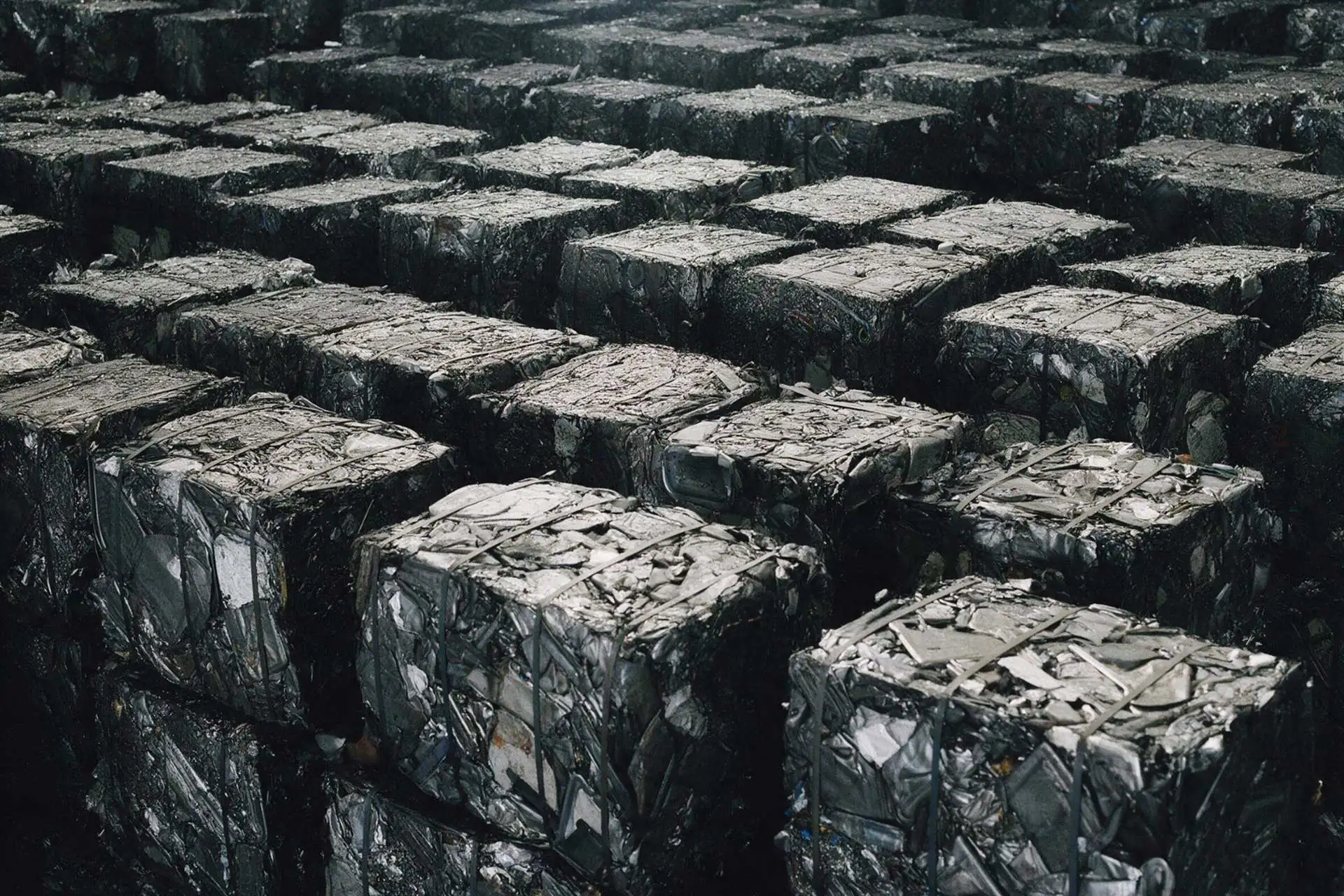
Agadir is southern Morocco's great fishing port, and that is precisely what makes the city a distinct source of brass and bronze: the fishing port and its sardine canneries, the Anza and Tikiouine industrial zones, and the bay's hotels continuously renew taps, plumbing, valves and mechanical parts in copper alloys — not to mention ship equipment and cold rooms. Brass and bronze are two copper alloys — brass with zinc, bronze with tin — found wherever a golden metal is needed that resists corrosion and is easy to work. Whether you run a cannery, a hotel, a workshop or are a private seller, selling your brass and bronze in Agadir is simple: sort, estimate, collect. MOUMETAL buys your brass and bronze in Agadir and across the region, with free estimation, transparent weighing and on-site collection.
Which brass and bronze scrap do we buy in Agadir?
These are the brass and bronze categories MOUMETAL buys in Agadir:
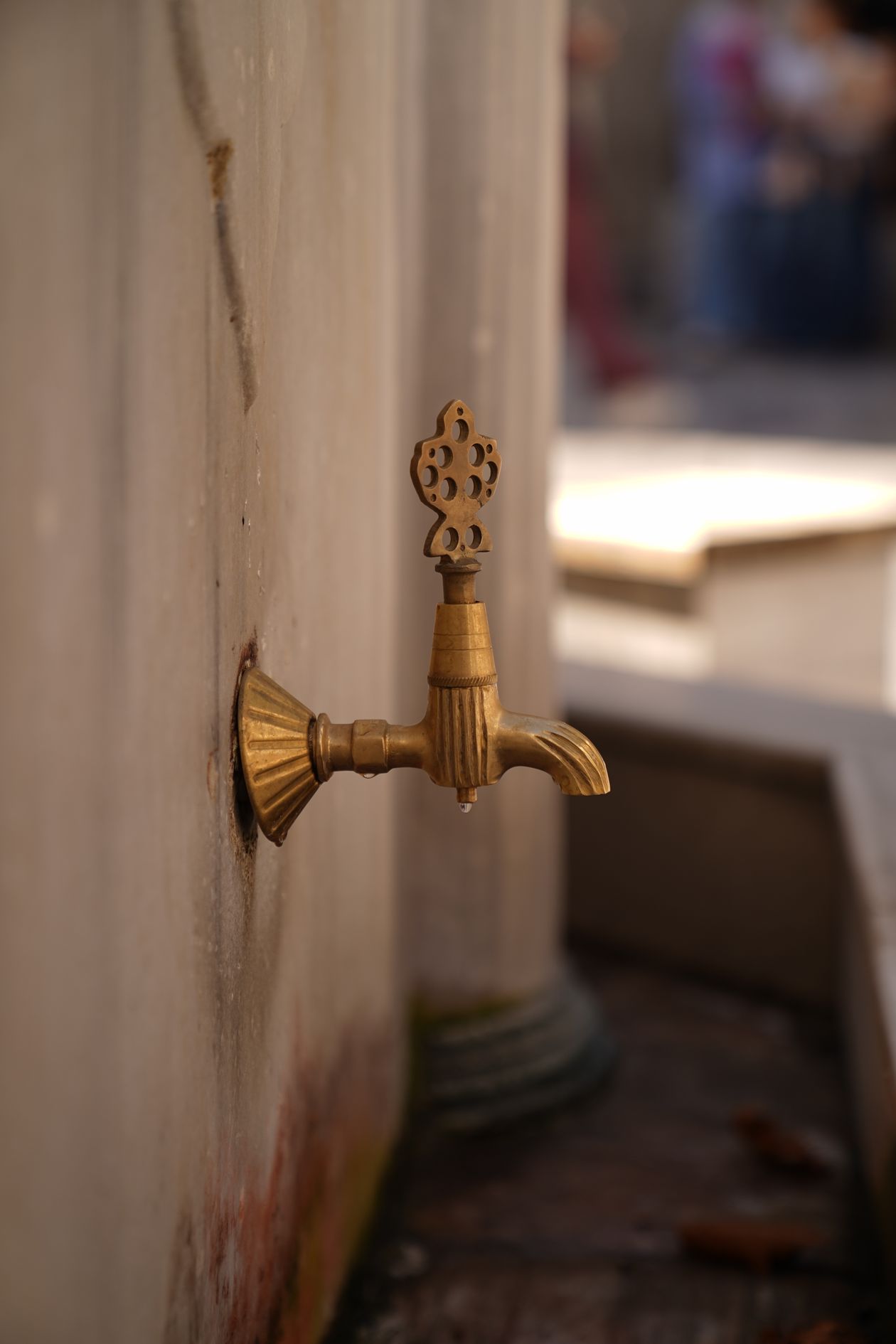
- Brass taps and plumbing: taps, mixers, valves, fittings and traps from bathrooms, kitchens and water networks.
- Water meters and tap parts: water meters, tap bodies and bronze mechanisms from drinking-water networks.
- Moroccan brassware: trays, teapots, lamps and decorative objects in hammered brass, from craft workshops and hotels.
- Light fittings and lamp holders: chandeliers, wall lights and lamp holders in brass from hotels, public bodies and homes.
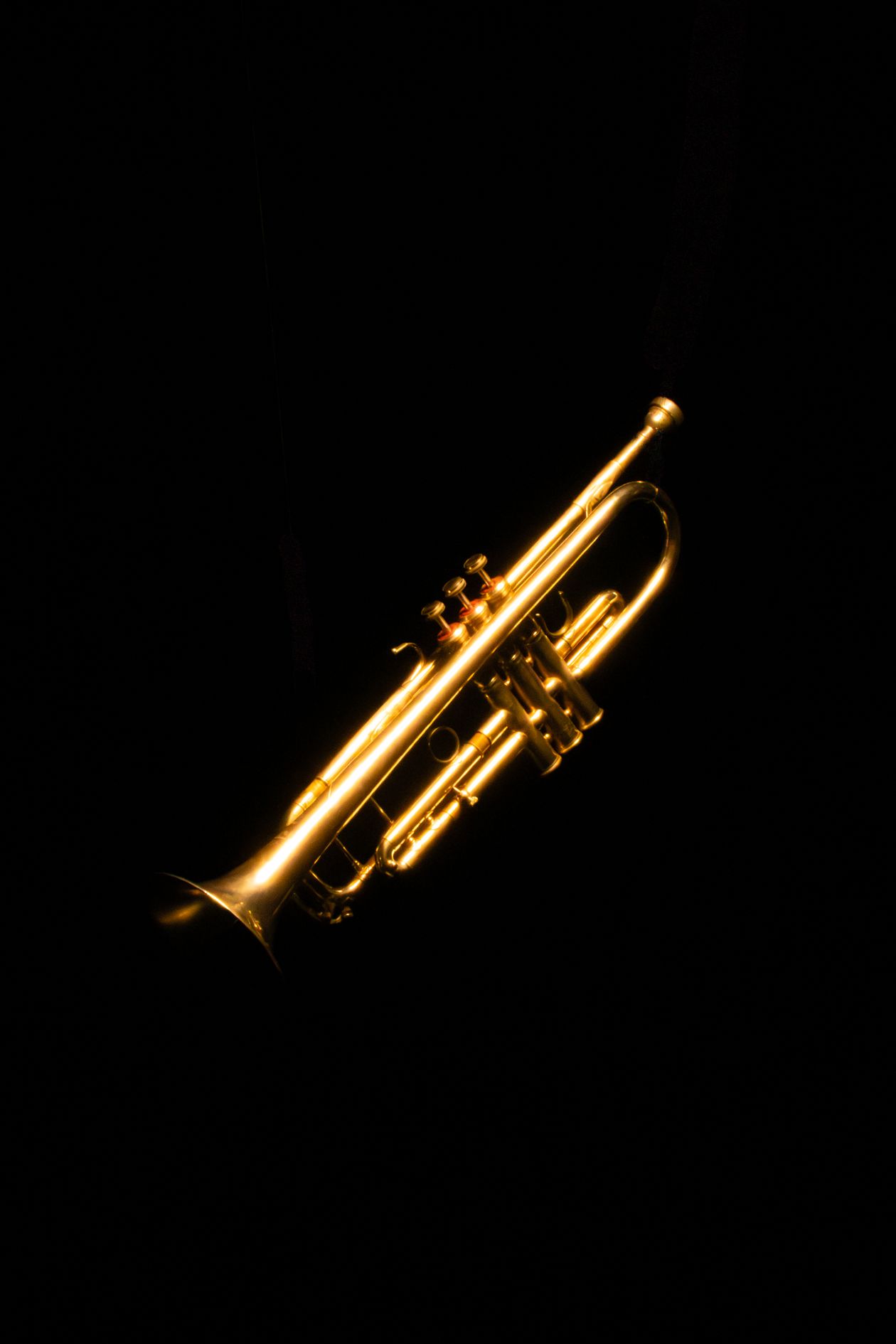
- Musical instruments: trumpets, saxophones and other brass instruments — brass is the metal of wind instruments.
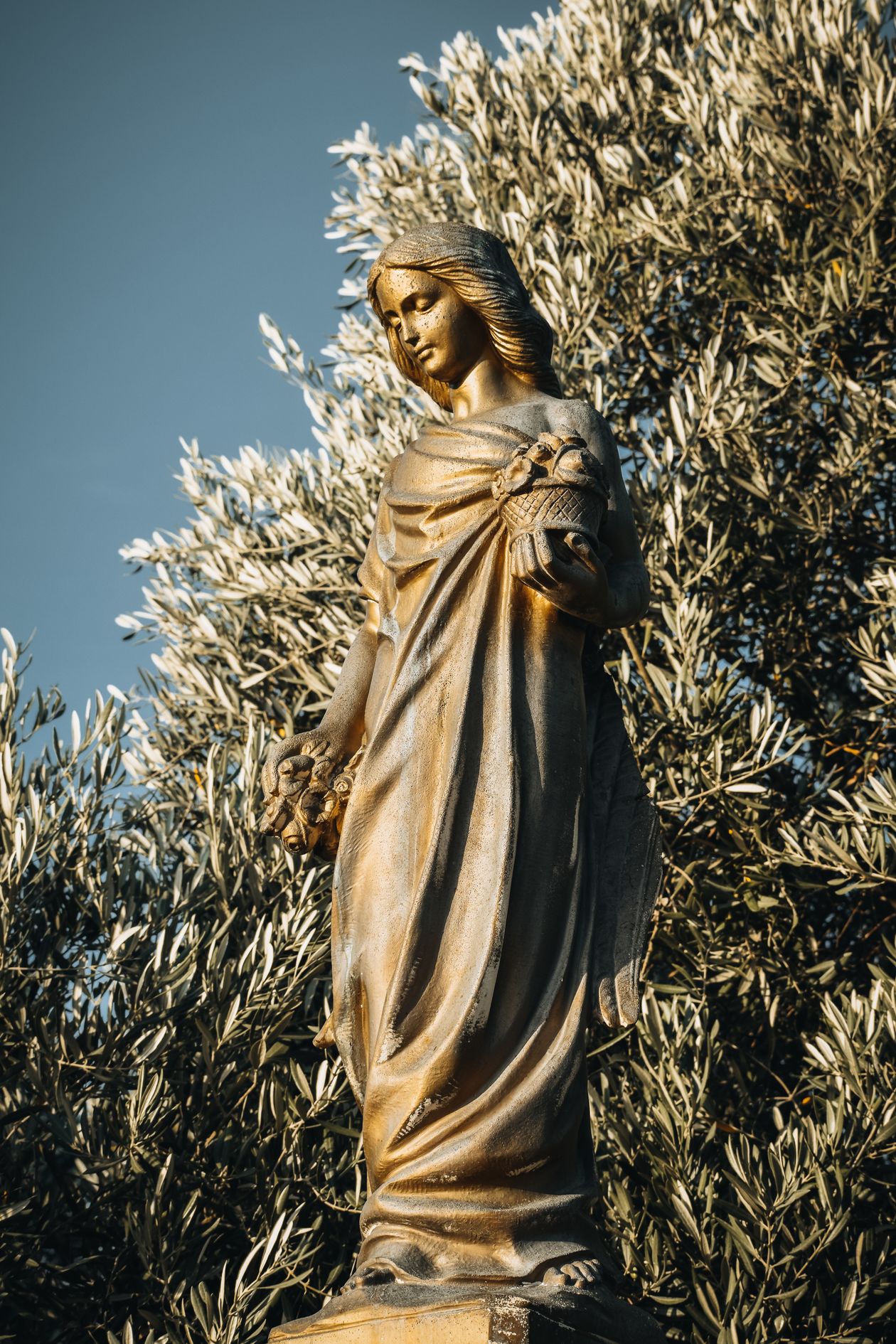
- Bronze statues and decorative objects: statues, busts, bells and plaques in bronze, including patinated pieces.
- Bushings, bearings and mechanical parts: bushings, plain bearings and bronze gears from mechanical workshops.
- Foundry parts and machining offcuts: cast parts, risers, brass swarf and bar offcuts from workshops.
Our article on buying copper scrap in Agadir explains the same logic for the other copper alloys collected in the capital.
Brass or bronze: how to tell them apart
Brass and bronze look alike — two golden copper alloys — but they do not go to the same stream, and mixing them lowers the value of the lot. Brass is an alloy of copper and zinc: the common alloy CuZn37 contains 63% copper and 37% zinc. Bronze is an alloy of copper and tin: the common alloy CuSn8 contains 92% copper and 8% tin. That difference in composition changes the colour, the sound and the use of each metal.
The first clue is colour: brass is golden yellow, bright and close to gold; bronze is golden brown, darker and more reddish. The second clue is the scratch test: scratch the piece discreetly on a hidden part — a bright yellow scratch means brass, a brown-red scratch means bronze. The third clue is the magnet test: neither brass nor bronze is magnetic — if the magnet sticks, it is neither. Finally, patina and sound help: old bronze develops a green or brown patina and rings with a crystal-clear sound when struck, like a bell.
Good habits for sorting brass and bronze:
- Separate with the scratch test: bright yellow on one side, brown-red on the other — never mix brass and bronze in the same lot.
- Check with a magnet: set aside magnetic pieces, which are not copper alloys.
- Isolate composite parts: a tap mixing brass, steel and plastic must be reported — plastic and steel parts are removed before weighing.
- Beware of fake brass: golden plastic, chrome-plated steel, merely gold-painted parts — a shiny look is not enough, the scratch test decides.
Where is brass and bronze found in Agadir?
Every zone of Agadir produces its own brass and bronze scrap:
- The fishing port : Morocco's leading fishing port — ships, canneries, cold rooms and maintenance workshops — with regular flows of bronze and brass valves, fittings and mechanical parts.
- Anza : the industrial zone north of the city — canneries, mechanical workshops, warehouses and small factories — with regular flows of taps, plumbing and foundry parts.
- Tikiouine : the business zone east of the city, home to workshops, warehouses and service companies — taps, plumbing, cables and foundry parts.
- Aït Melloul : the neighbouring industrial zone, in Greater Agadir — agri-food, packaging and logistics — with regular offcuts of brass, bronze and copper.
- The bay and the hotels : the seafront and tourist establishments — professional kitchens, air conditioning, plumbing and metalwork during renovations.
- The Souss plain : the fresh-produce packing stations and agri-food units around Agadir — brass and bronze valves, fittings and piping.
- Construction sites : building and renovation across the city — taps, plumbing, brass light fittings and bronze parts.
Our article on scrap metal in Agadir shows the same logic for all metals.
How is the price of brass and bronze determined in Agadir?
This is the question everyone asks in Agadir: when people search for the price of brass at the scrap dealer, they want to know what determines the value of their lot. The answer comes down to a few factors, with no published tariff, because the price of copper alloys moves every day with the market. Every lot gets a free estimation, on site or from a description:
- The copper price: brass and bronze are copper alloys, and their value follows the copper price on international metals markets.
- The purity and composition of the lot: clean, well-identified brass is not valued like a mix of brass, bronze and composite parts — this is the number-one factor for these alloys.
- The cleanliness and sorting of the lot: clean brass, with no plastic or attached steel, is collected and sorted faster.
- Volume and regularity: a hotel renewing its taps with every renovation is valued better than a one-off lot.
- Weight per kilo: weighing is done per kilo on site, in front of you, in full transparency.
To understand how a scrap dealer sets estimates, read our article on the price of scrap metal in Morocco: the same principles apply — sorting, composition, metals prices — with no published tariff.
The brass and bronze stream in Morocco: real demand
Selling your brass and bronze in Agadir means selling into a stream that exists and is investing. The port's canneries renew their bronze valves and fittings, the Anza and Tikiouine workshops replace their mechanical parts, and the bay's hotels renovate their taps and plumbing. Add Moroccan brassware: the hammered-brass craftsmen, famous in Fez and Marrakech, work the metal and reuse offcuts.
In Berrechid, the ALUCOP foundry opened in 2024 a unit dedicated to non-ferrous scrap — copper and aluminium — with a capacity of 42,500 tonnes per year. In Kenitra, the Samta group is building a non-ferrous metals recycling complex in the Atlantic Free Zone, operational in 2026, which will process 46,000 tonnes of scrap per year. Brass and bronze recycle endlessly without losing their properties: a tap today can become a musical instrument or a foundry part tomorrow.
Selling your brass and bronze in Agadir: the 4 steps
The process is the same for a factory and for a private seller:
- Contact: call us on +212 660 690 806, write to us on WhatsApp or through our form. Describe your stock: brass and bronze types, approximate quantities, address in Agadir or the region.
- Free estimation: we assess the lot and give you an estimation without obligation, based on composition, sorting, weight and metals prices.
- On-site collection: we come with the right truck, including for heavy lots such as statues or a hotel's full set of taps. Weighing is done on site, in front of you, in full transparency. For regular collections, see our collection and removal page.
- Fast payment and traceability: you are paid quickly, and you receive a tracking slip certifying collection and delivery to approved streams.
For private sellers, home collection of brass and bronze in Agadir is possible: a lot of taps, light fittings or brass objects is enough to organise a collection. To sort correctly before our visit, read our guide to sorting metals in Agadir — the same sorting reflexes apply to every metal.
FAQ — Buying brass and bronze scrap in Agadir, Morocco
What is the difference between brass and bronze? Brass is an alloy of copper and zinc, golden yellow; bronze is an alloy of copper and tin, golden brown. The scratch test tells them apart: bright yellow for brass, brown-red for bronze.
How can I tell brass from bronze? By colour — golden yellow for brass, golden brown for bronze —, by the scratch test on a hidden part, and by the magnet test: neither is magnetic. Old bronze has a green or brown patina and a crystal-clear ring.
Who buys brass and bronze in Agadir? A metals collection company like MOUMETAL — canneries, hotels, mechanical workshops, plumbers and private sellers — with free estimation and on-site collection across Agadir and the region.
Where can I sell my brass and bronze in Agadir? To MOUMETAL, with free estimation and on-site collection: taps, plumbing, cannery equipment, light fittings, musical instruments, statues and foundry parts, across Agadir and its metropolitan area.
How do estimation and home collection work? The estimation is free, without obligation, from a description or on site, based on the copper price, the composition, the sorting and the weight of the lot. Home collection is possible in Agadir, with on-site weighing and a tracking slip.
Sell your brass and bronze in Agadir with MOUMETAL
Public bodies, hotels, plumbers, mechanical workshops, craftsmen or private sellers: MOUMETAL buys your brass and bronze in Agadir, with alloy identification, free estimation, transparent weighing, fast payment, on-site collection and a tracking slip. Contact us: +212 660 690 806 — contact@moumetal.com.